Access
About 7 minutes on foot from Setoda Port. About 2 minutes on foot from Kosanji Temple.
Hours
9:00–17:00 (last entry 16:30). Open every day.
Address
広島県尾道市瀬戸田町沢200-2
The Hirayama Ikuo Museum of Art opened in 1994 to present the work of Ikuo Hirayama (1930–2009), a Nihonga painter born in Setoda, Onomichi City, Hiroshima Prefecture. From large works on the Silk Road and Buddhism to early studies, it covers his whole career. It is a place to spend quiet time with the work of a world-class painter in the calm of the Seto Inland Sea.
GUIDE
Hirayama Ikuo Museum of Art: Highlights and How to Visit
What to see and how to get around, with photos
Who was Ikuo Hirayama? A world-class painter from a Seto Inland Sea island
Ikuo Hirayama (1930–2009) was one of Japan's leading Nihonga (Japanese-style) painters, born in Setoda on Ikuchijima, Hiroshima Prefecture. After graduating from Tokyo University of the Arts, he won international recognition for a sweeping series on the Silk Road. He spent his life painting the routes of Buddhism and cultural exchange, and he also served as president of Tokyo University of the Arts and received the Order of Culture.
As a boy he lived through the atomic bombing of Hiroshima, and he devoted the rest of his life to protecting humanity's cultural heritage. He traveled the Silk Road more than 50 times, painting its landscapes, ruins and people. His style, where realism meets symbolism, stays within Nihonga techniques while carrying a universal spirit.
About the Hirayama Ikuo Museum of Art
The museum opened in 1994 in Setoda, where Hirayama was born. It was designed by Kisho Kurokawa Architect & Associates, and its calm exterior fits the Seto Inland Sea landscape.
The collection of about 2,000 items includes large Silk Road paintings as well as childhood studies, sketches and painting materials. The permanent exhibition follows his career in chronological order. The rooms for large works have high ceilings, so you can see them at their full scale.
Highlights of the Hirayama Ikuo Museum of Art
The Silk Road series
The Silk Road series, Hirayama's signature work, repeatedly depicts deserts, oases, ruined sites and camels at dusk from Central to West Asia. The dreamlike colors and sense of vast space have a power in person that photos and prints cannot convey.
Childhood and student works
Childhood studies and student sketches show where a world-famous painter started. His early pictures of Seto Inland Sea scenery and people around him have a warmth different from his later large works.
The atomic bomb and the theme of prayer
Hirayama experienced the atomic bombing of Hiroshima at 15 and made world peace and the protection of cultural heritage his lifelong themes. That feeling runs through his paintings, and knowing the background gives them a different meaning.
Combine the museum with Kosanji Temple
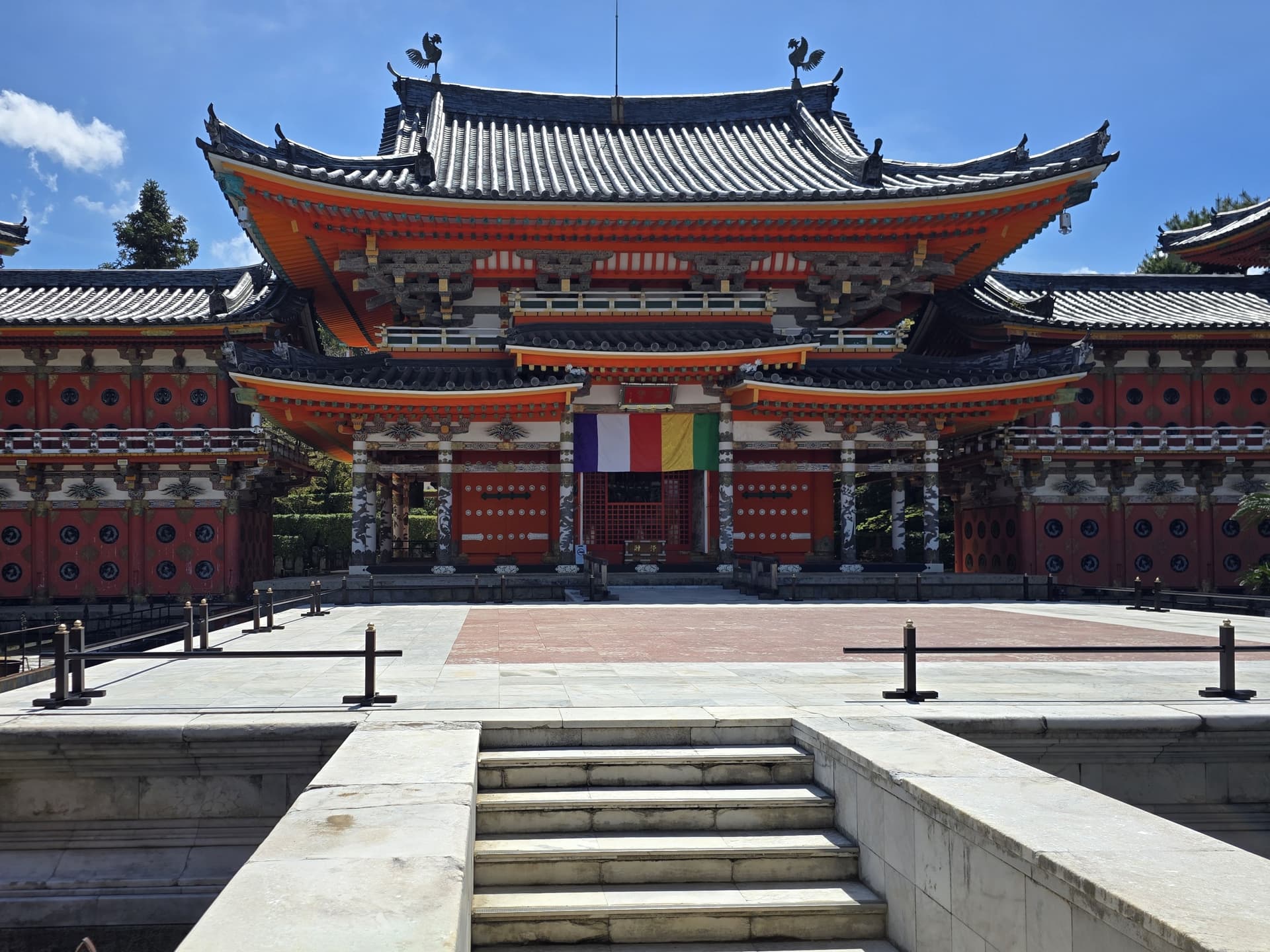
The museum is about 2 minutes on foot from Kosanji Temple, and most people visit both. Kosanji's ornate buildings and its Hill of Hope contrast with the quiet galleries of the Hirayama museum, and together they show the cultural depth of the Setoda area on Ikuchijima.
Half a day is enough to see both properly. If you are cycling, a popular plan is to visit Kosanji and the museum, enjoy lemon sweets or a meal on the island, then ride on to the next island.
Setoda: the cultural heart of the Shimanami Kaido
Setoda on Ikuchijima has the richest cultural and artistic heritage of all the Shimanami islands. It produced the internationally known artist Ikuo Hirayama, has the unique architecture of Kosanji, and has its own industry as a growing area for Seto Inland Sea lemons.
Stopping to see the culture of each island, rather than only crossing the bridges, makes a Shimanami trip much richer. The Hirayama Ikuo Museum of Art is one of the best places to do that.
Tips for visiting the Hirayama Ikuo Museum of Art
Photography is not allowed anywhere inside. Give yourself time to look at the works slowly. It is rarely crowded and stays quiet. The museum shop sells catalogs and related goods.
Check the official website for special exhibitions before you go to get even more out of your visit.
If you come by bike, there are two bike stands right next to the museum sign (checked October 2026). For a route around Ikuchijima by bike, see the Ikuchijima cycling guide.


Basic information
CYCLING
Cycling on Ikuchijima? Read the Ikuchijima Cycling Guide →
From the Ikuchi Bridge through Setoda town to the Tatara Bridge: the palm-lined coastal route and stops along the way, in photos
RELATED