
Cycling Guide
Shimanami Kaido Cycling Guide
A cycling road of about 70 km linking the islands of the Seto Inland Sea by bridge, from Onomichi to Imabari. Here is a route even first-timers can finish, and what you need to know before you go.
What is Shimanami Kaido cycling?
Shimanami Kaido is the popular name of the Nishiseto Expressway linking Onomichi in Hiroshima Prefecture with Imabari in Ehime Prefecture. It connects six islands, Mukaishima, Innoshima, Ikuchijima, Omishima, Hakatajima and Oshima, with nine bridges. Along the roughly 60 km bridge section, a dedicated path for bicycles and pedestrians (the cycling road) runs alongside the expressway, so anyone can ride safely from island to island.
Since CNN named it one of the “7 most incredible bike routes in the world” in 2014, hundreds of thousands of cyclists from Japan and abroad have come every year. Many travelers come from Taiwan, Europe, North America and Southeast Asia, and it is now recognized as a world-class cycling route.
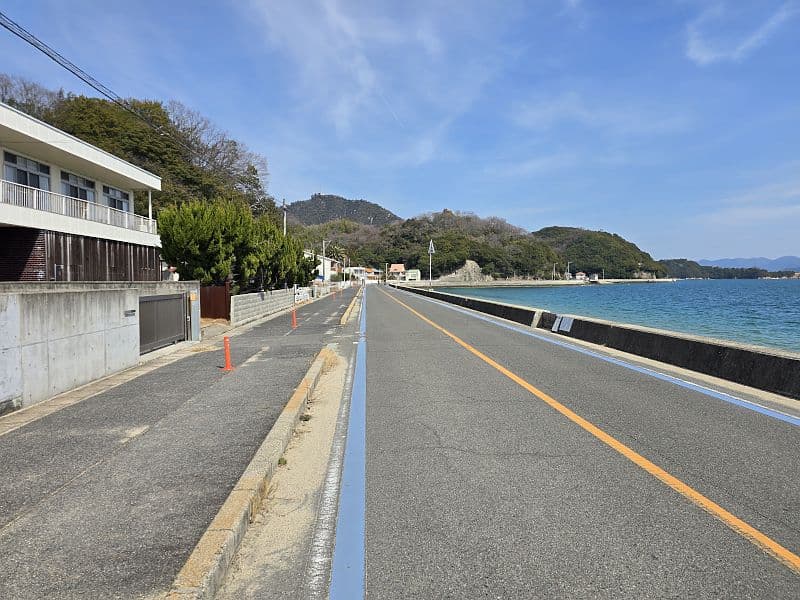
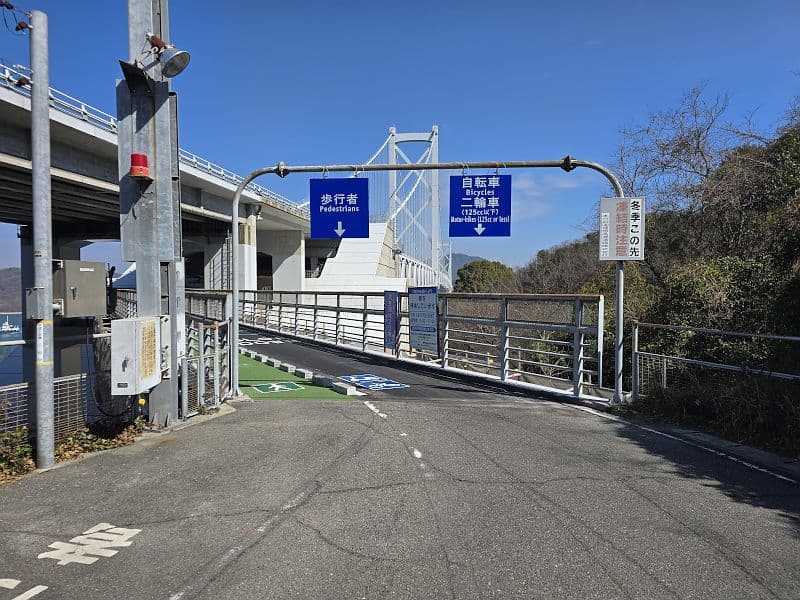
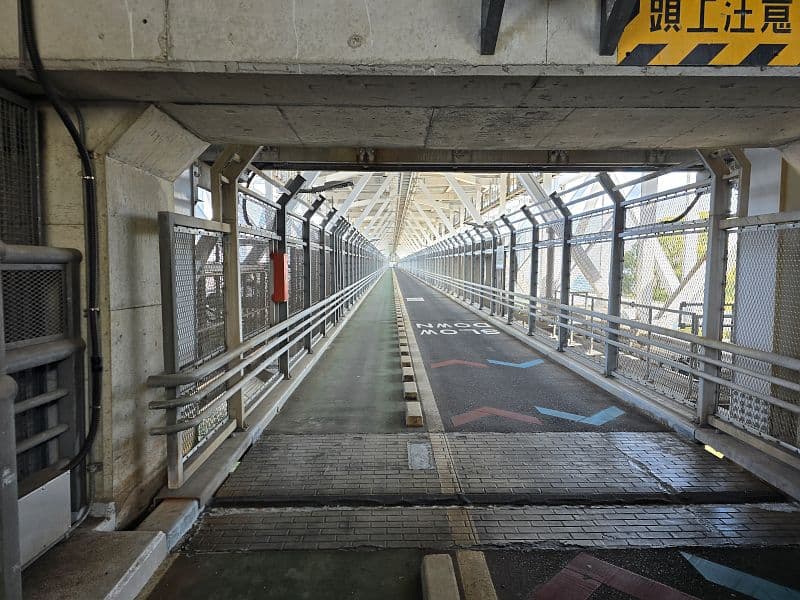
Route overview and distances
The usual route is one way, Onomichi → Imabari (or Imabari → Onomichi), about 70 km in total including riding on the islands. Some people finish in one day; others stay overnight on an island and take two days.
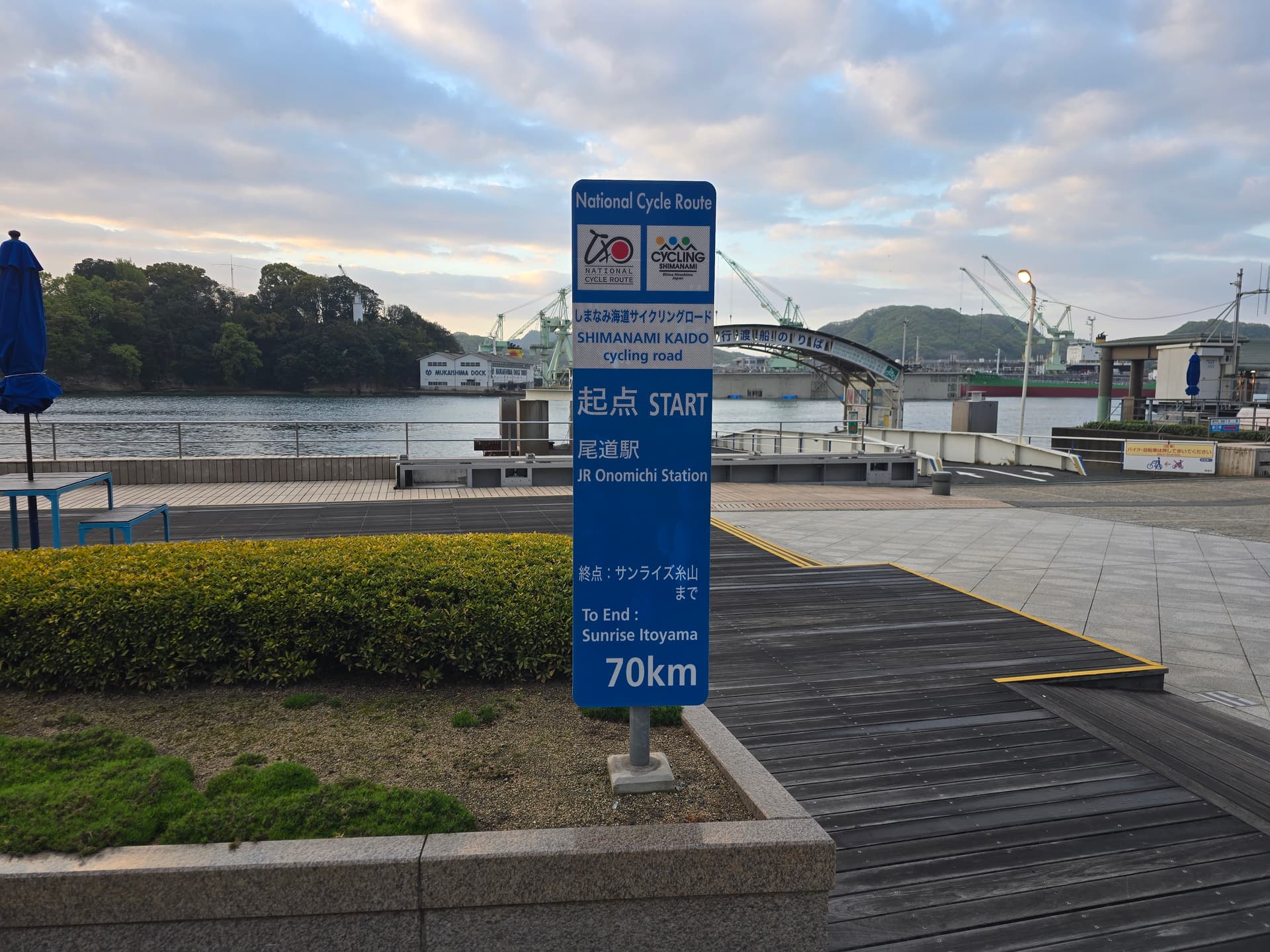
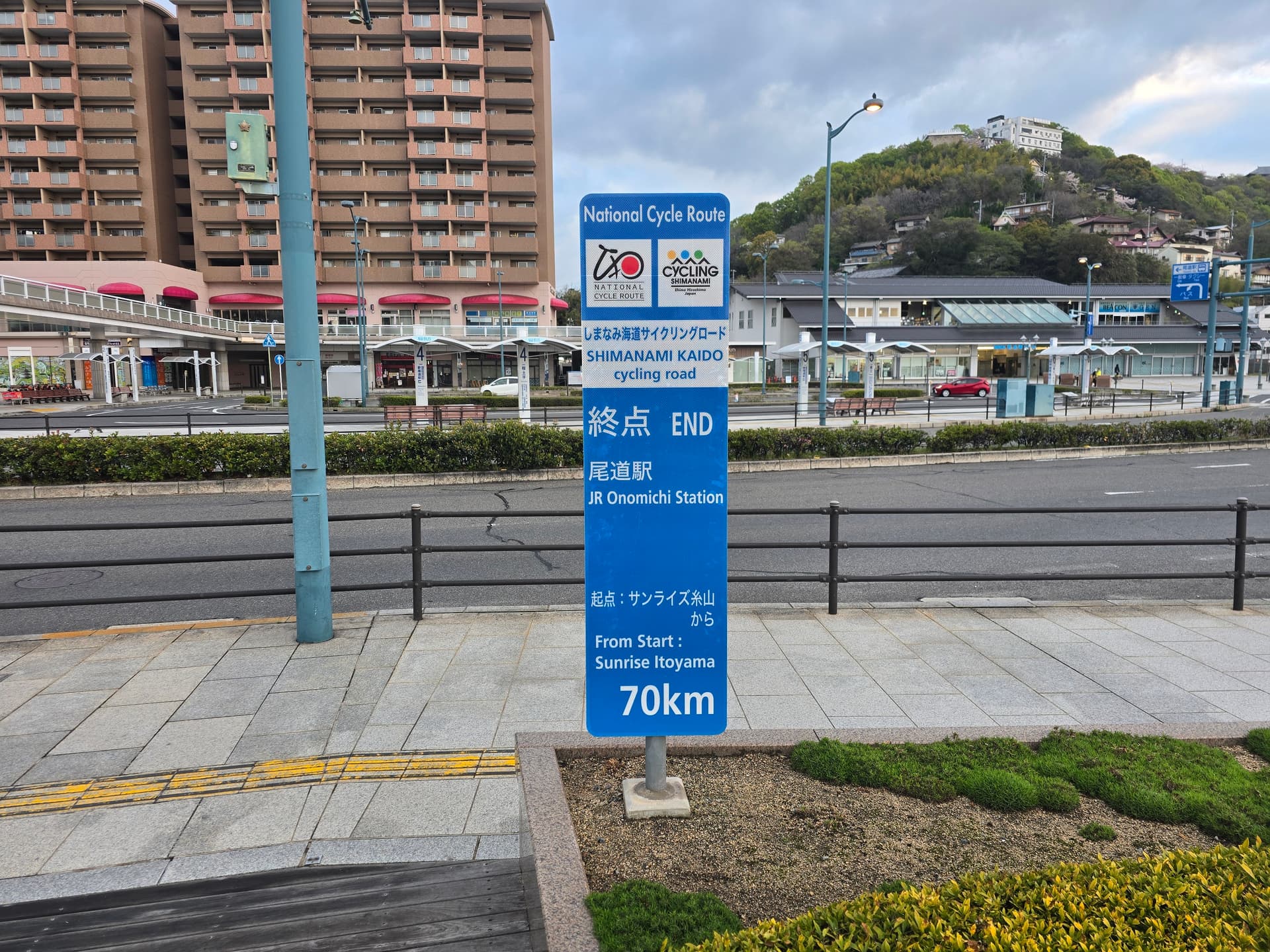
The start sign (left) and finish sign (right, on the back of the start sign) near Onomichi Station. If you ride from Imabari to Onomichi, this sign is your finish line.
| Section | Bridge | Approx. distance |
|---|---|---|
| Onomichi → Mukaishima | Onomichi ferry | About 200 m (ferry) |
| Mukaishima → Innoshima | Innoshima Bridge | About 12 km incl. island |
| Innoshima → Ikuchijima | Ikuchi Bridge | About 10 km incl. island |
| Ikuchijima → Omishima | Tatara Bridge | About 15 km incl. island |
| Omishima → Hakatajima | Omishima Bridge | About 10 km incl. island |
| Hakatajima → Oshima | Hakata-Oshima Bridge | About 12 km incl. island |
| Oshima → Imabari | Kurushima-Kaikyo Bridge | About 15 km incl. island |
*Distances are estimates including the island cycling roads. They vary with stops and detours.
Island-by-island cycling guides (ride reports)
- Innoshima Cycling Guide →
From the Innoshima Bridge to the Ikuchi Bridge: the coastal route and stops around Habu, in photos
- Ikuchijima Cycling Guide →
From the Ikuchi Bridge through Setoda town to the Tatara Bridge: the palm-lined coastal route and stops along the way, in photos
First thing to know when starting from Onomichi
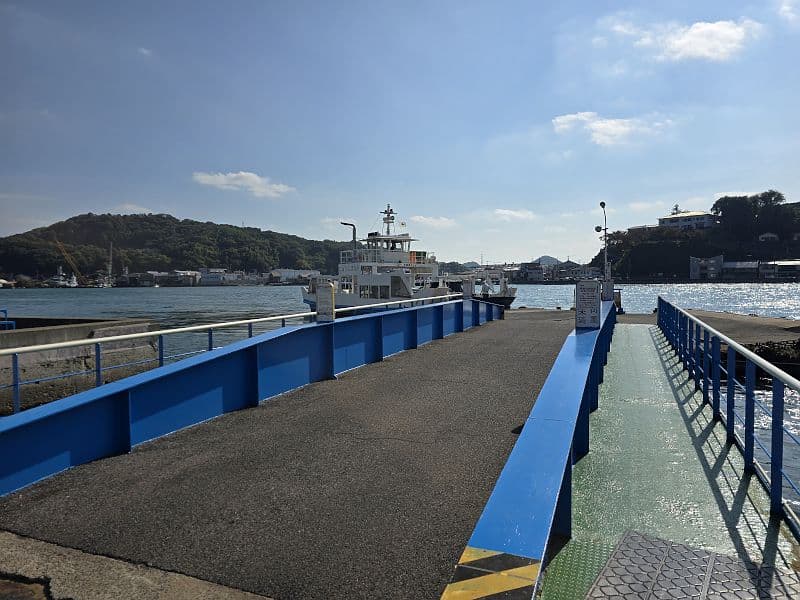
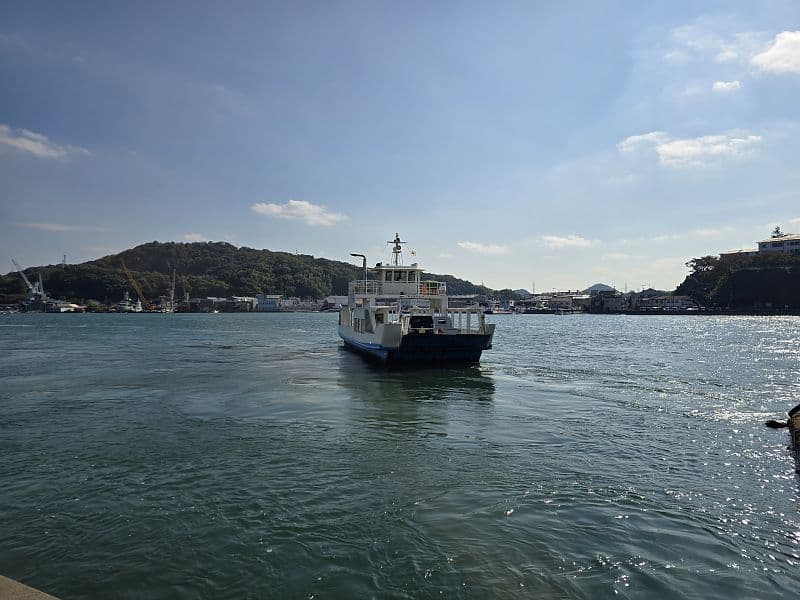
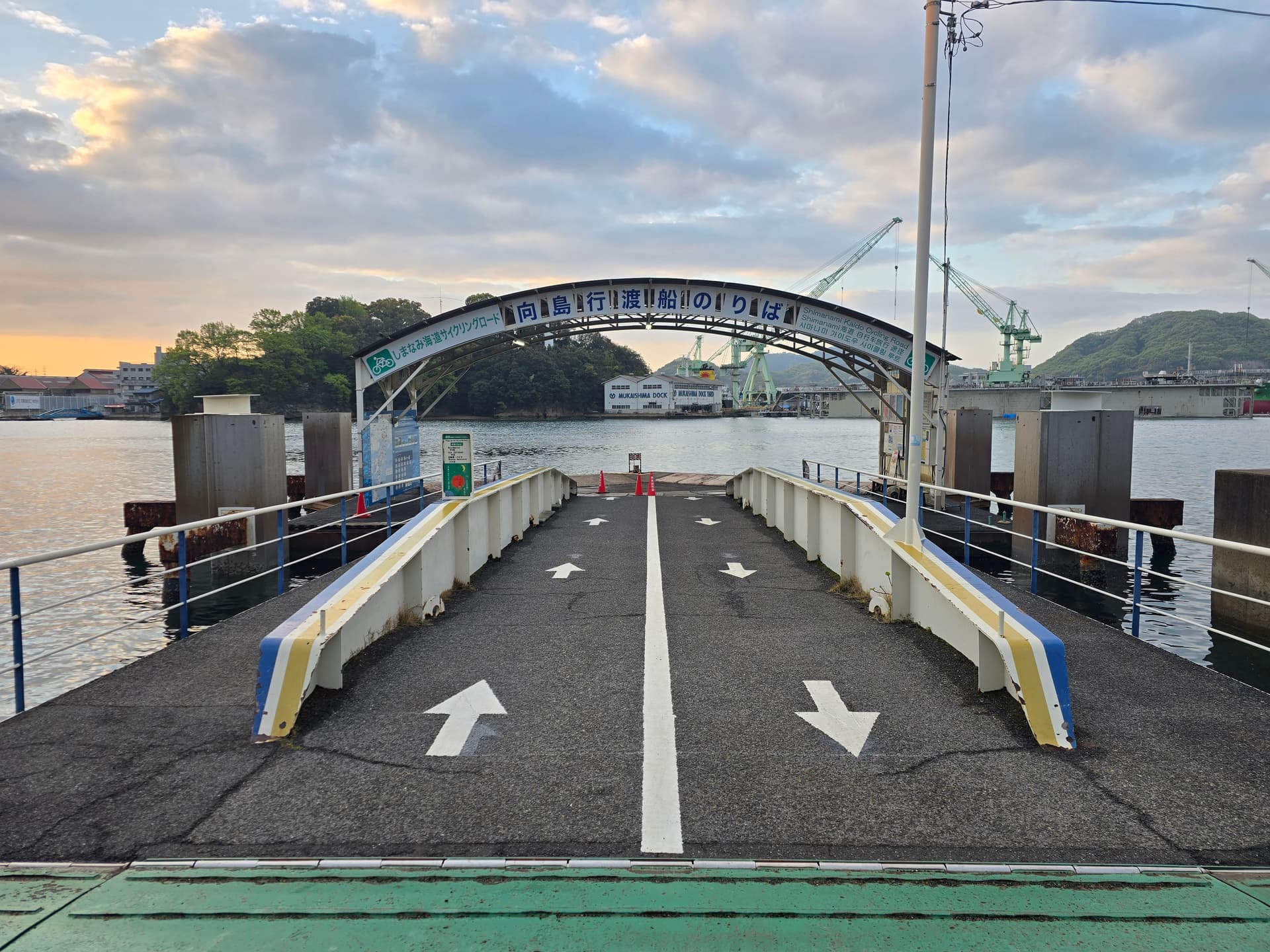
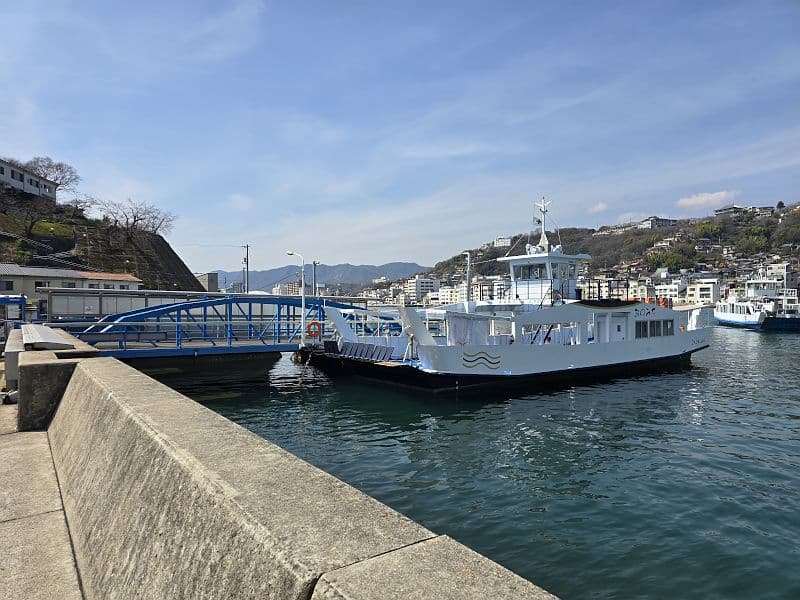
There is the Onomichi Bridge between Onomichi and Mukaishima, but its sidewalk is narrow and riding across is dangerous, so cyclists are advised to use the ferry instead, which also helps prevent accidents. Onomichi has several ferry piers, and you can board with your bike at all of them. The crossing takes about 5 minutes and costs 100 yen for adults plus 10 yen for a bike (110 yen in total). Ferries run frequently, and during the day there is almost no wait.
▶ Please use the ferry when crossing to Mukaishima by bike (Onomichi City, Japanese)
How to rent a bike and prices
Even without your own bike, you can use the bike rental stations at major ports and terminals on each island. The key feature is that one-way returns are possible: you can rent in Onomichi and return in Imabari (or the other way).
Crossbike
From 1,100 yen/day
The most common choice, for beginners to intermediate riders. Carry your things in a backpack or saddle bag.
E-bike
From 2,200 yen/day
Recommended if you are worried about hills or your fitness. They can run out early in peak season.
Road bike
From 3,300 yen/day
For riders who want to go fast. Booking ahead is strongly recommended.
Tandem (two riders)
Ask the station
Only at some stations. Check in advance.
One-way fee: If you return the bike on another island or at another station, a one-way fee of 1,100 yen may apply (varies by station).
Booking: E-bikes and crossbikes fill up early during spring and autumn holidays and summer vacation. Booking online is strongly recommended.
*Prices and fees may change. Check each rental station’s official website for the latest information.
Main bike rental stations
- Onomichi Port (start on the Onomichi side)
- Sunrise Itoyama (start on the Imabari side)
- Habu Port (Innoshima), Setoda Port (Ikuchijima), Munakata Port (Omishima) and other major ports on each island
Get the gear you need for cycling
*This section contains affiliate links (Amazon Associates).
Recommended places to stop
Stopping on each island, rather than just riding through, makes a Shimanami trip much richer. These spots are especially worth a stop.
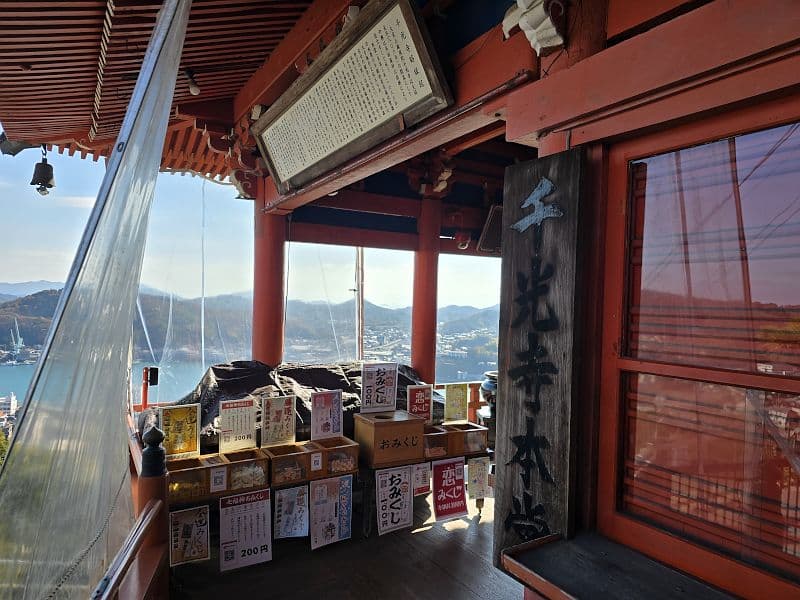
Senkoji Temple
Onomichi’s best-known temple. A standard stop before you set off.
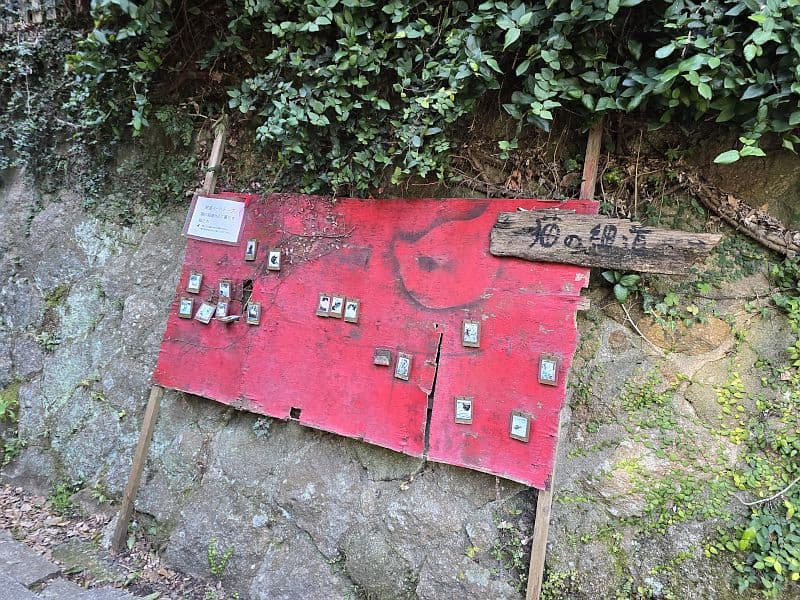
Cat Alley
A very Onomichi lane of stone paving and cat art.
Innoshima Suigun Castle
A castle linked to the Murakami navy. Learn the history of sea traffic on the Inland Sea.
Mt. Shirataki
Rows of stone Buddhas on the summit and a wide island view. If you have energy to spare.
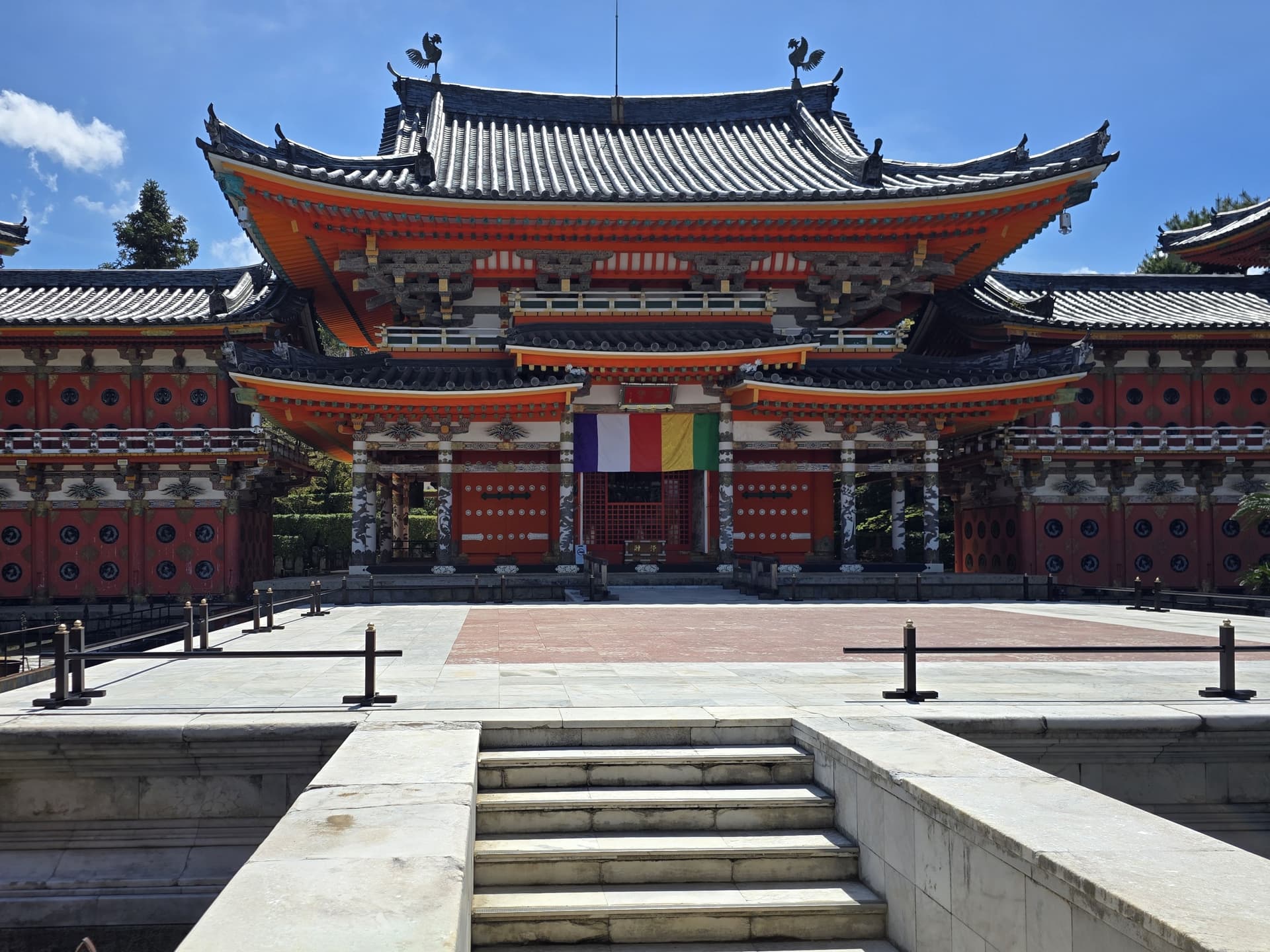
Kosanji Temple and the Hill of Hope
The marble hill is a must-see photo spot.
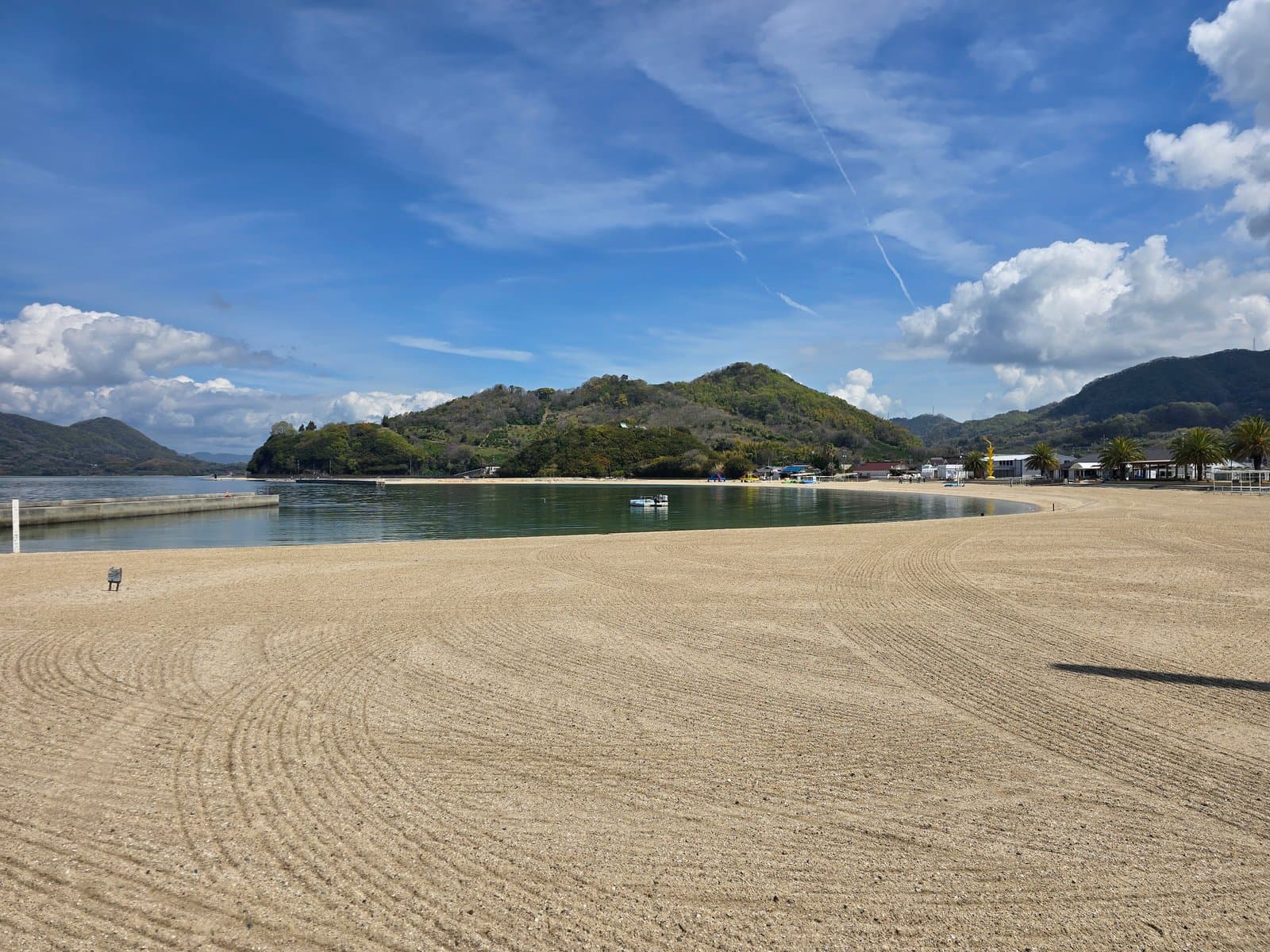
Setoda Sunset Beach
A sunset spot looking toward the Tatara Bridge.
Tatara Shimanami Park
Home of the “Sanctuary for Cyclists” monument. A standard place to rest and refuel.
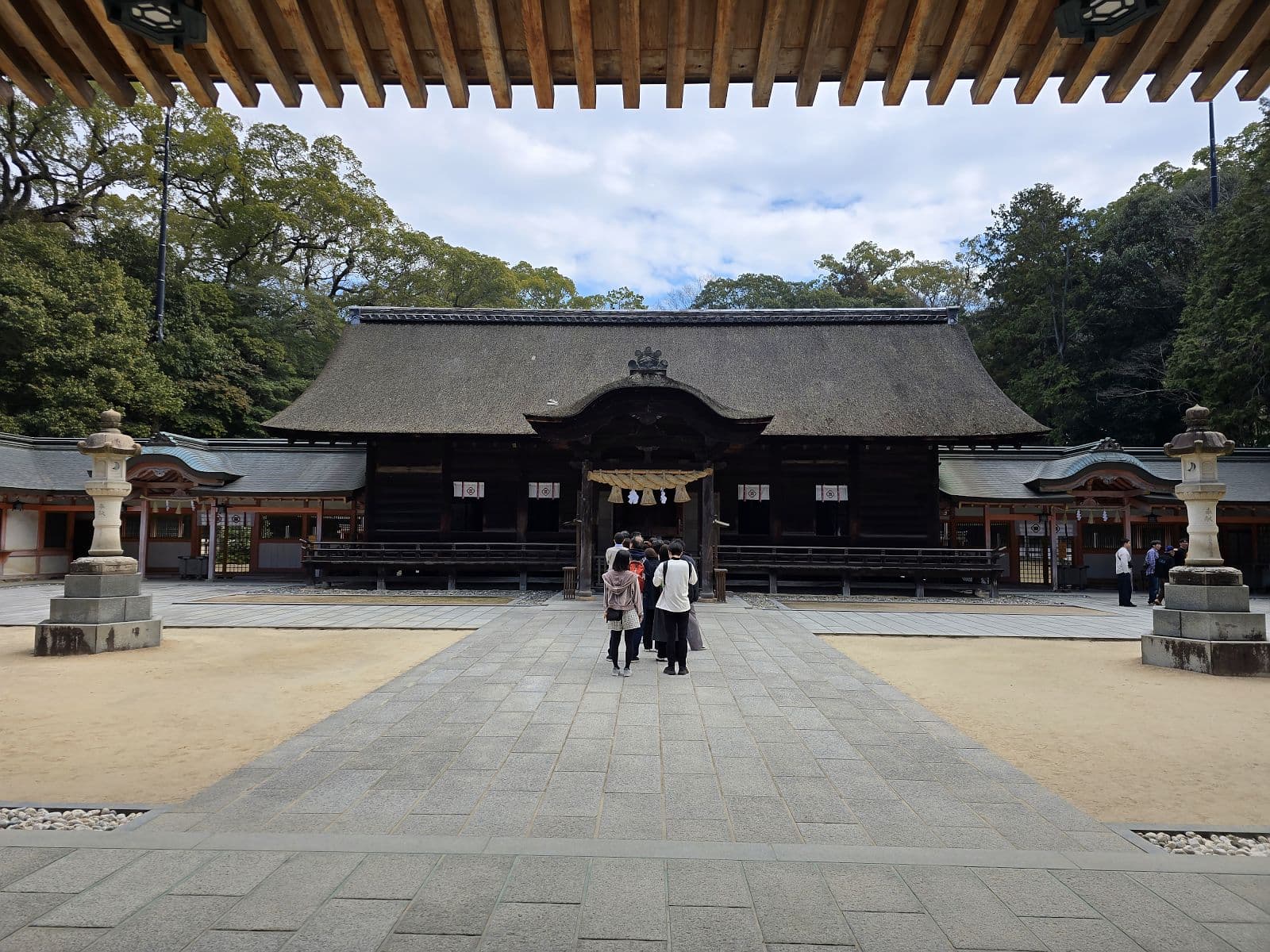
Oyamazumi Shrine
An ancient shrine to the gods of mountains and sea. Its national-treasure armor is stunning.
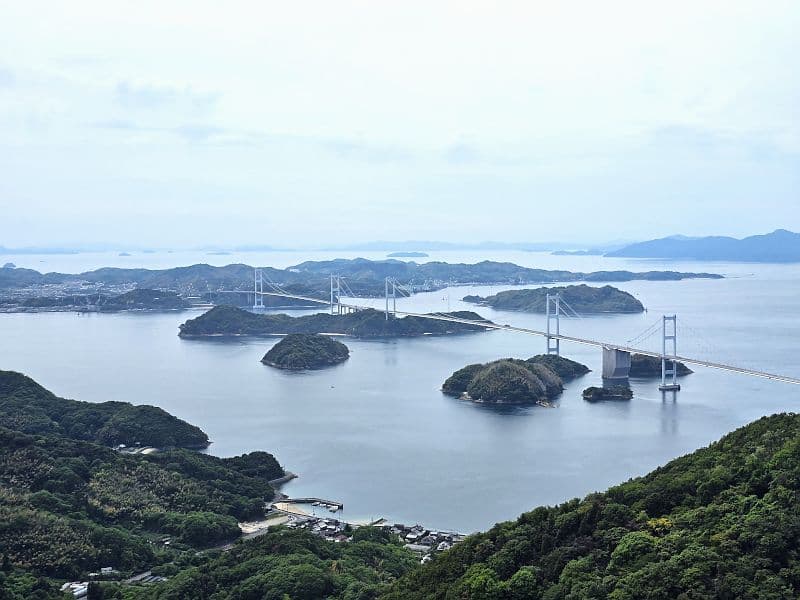
Mt. Kiro Observatory Park
A viewpoint looking down on the Kurushima-Kaikyo Bridge. Steep climb.
Yoshiumi Ikiiki-kan
Sea bream rice, BBQ and tidal current cruises at the foot of the Kurushima-Kaikyo Bridge.
Sunrise Itoyama
The finish or start on the Imabari side. Return rental bikes here.
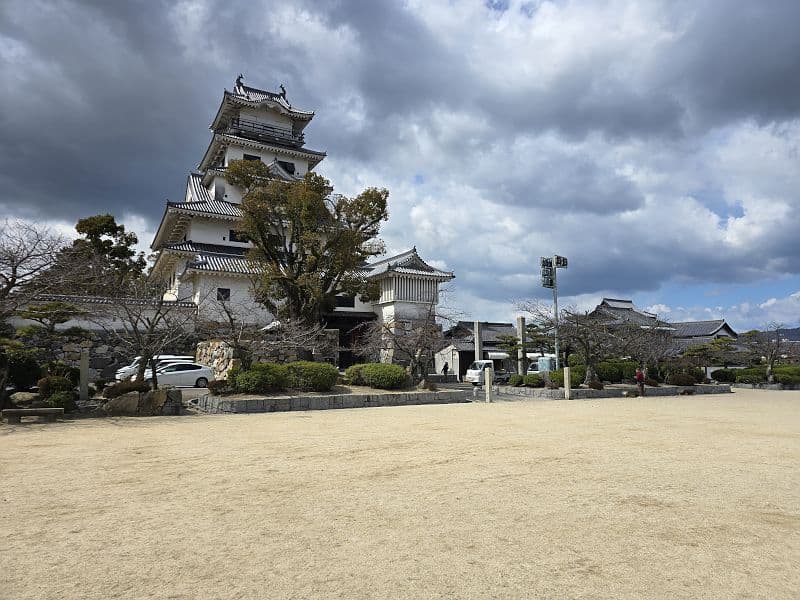
Imabari Castle
One of Japan’s three great sea castles. A sight to visit after you finish.
Riding tips for beginners
Follow the blue line
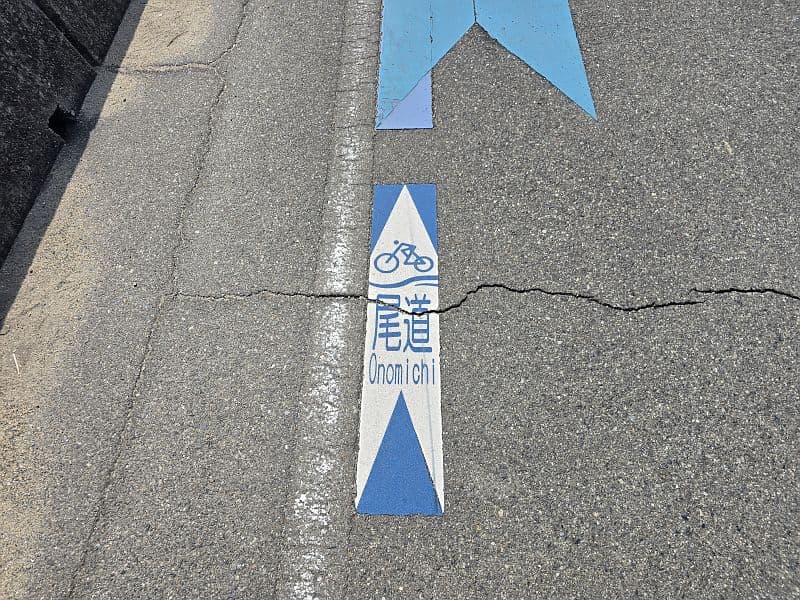
A blue guide line, called the “blue line,” is painted on the cycling road, and following it keeps you on the route. It also guides you at the approaches to the bridges and at junctions on the islands.
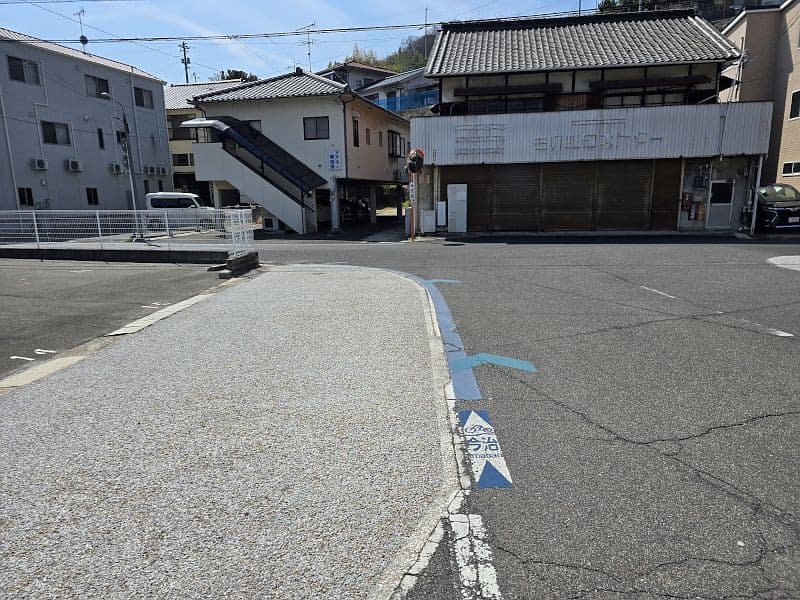
Use the cycling signs
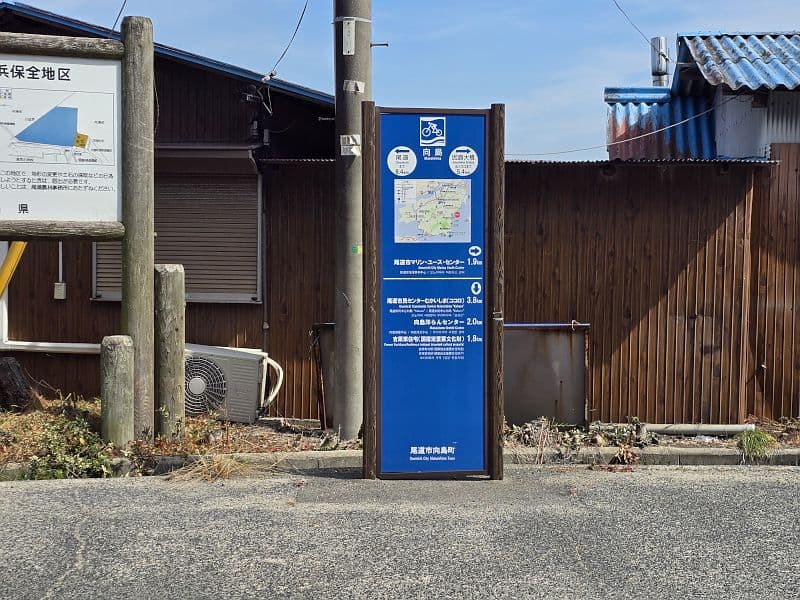
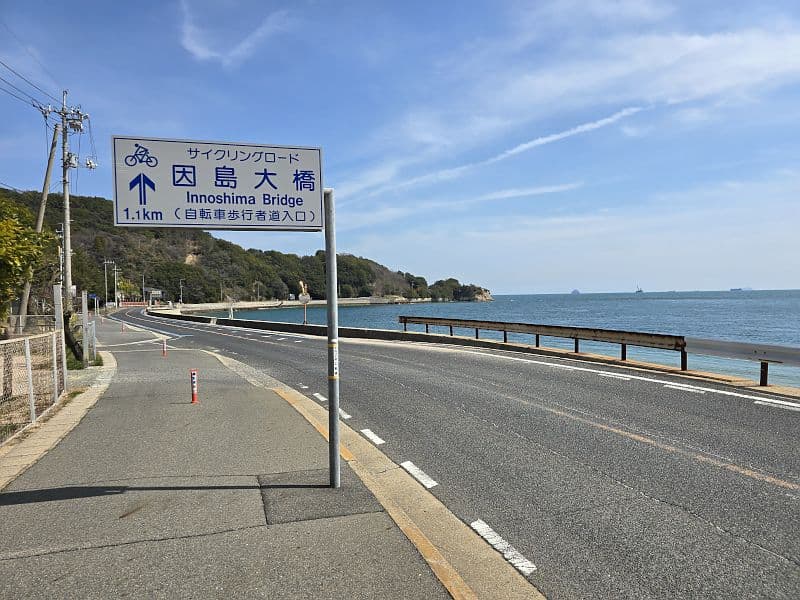
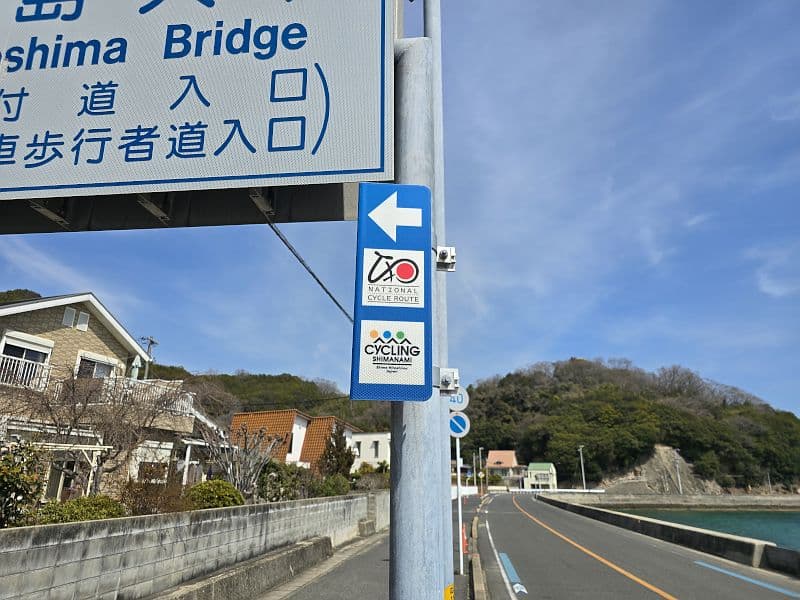
Direction marks on the road, information boards on each island, signs to the bridges and National Cycle Route signs: the Shimanami Kaido has signs for cyclists everywhere. Check them as you ride and you can follow the route with confidence even without a map.
Bridge approaches are ramps (some steep)
The access roads up to the bridges are spiral ramps with long climbs. On a non-electric bike, take them slowly without pushing too hard. The bridges themselves are flat, so you can enjoy the view as you ride.
70 km in a day is hard for beginners
Riding from Onomichi to Imabari in one day takes 7–9 hours including breaks. If you do not usually ride, we strongly recommend splitting it over two days. There is accommodation around Ikuchijima and Omishima.
Plan your supplies island by island
There are no convenience stores or vending machines on the bridges. Get water and food around the ports, at roadside stations or at convenience stores in the villages on each island. In summer especially, drink often to prevent heatstroke.
Decide how you will get back first
There are three main ways back from Imabari to Onomichi (or the reverse): (1) ferry (bikes allowed), (2) train (JR Yosan Line, changing at Matsuyama) or (3) highway bus. Rinko, packing your bike in a bag to take on the train, is another option.
Best seasons and what to wear
Spring (late March to May)
The best season. Mild temperatures, cherry blossoms and fresh green leaves. Golden Week is crowded and rental bikes are hard to book.
Autumn (October to November)
As good as spring. Clear air for views and comfortable temperatures for riding.
Summer (July to August)
The best sea and island views, but midday heat is harsh and heatstroke risk is high. Start early in the morning.
Winter (December to February)
Clear air and good views. Warm clothing is essential. Roads get slippery on rainy days.
Dress in layers. The wind is strong on the bridges and it feels colder than on the islands. Even in spring and autumn, we recommend bringing a light windbreaker.
Packing checklist
*This section contains affiliate links (Amazon Associates).
Helmet
A sports type for 5,000–12,000 yen is ideal
See on Amazon →
Cycling gloves
Protect your palms and reduce fatigue
See on Amazon →
Bike bag
Essential if you return by train
See on Amazon →
Windbreaker
Winds of 5–10 m/s are constant on the bridges
See on Amazon →
Essentials
- ✓Helmet (sometimes available to rent)
- ✓Sunscreen
- ✓Drinking water (at least 1 L)
- ✓Smartphone and power bank
- ✓Cash (some island shops do not take cards)
- ✓Rain gear and windbreaker
Related pages