Access
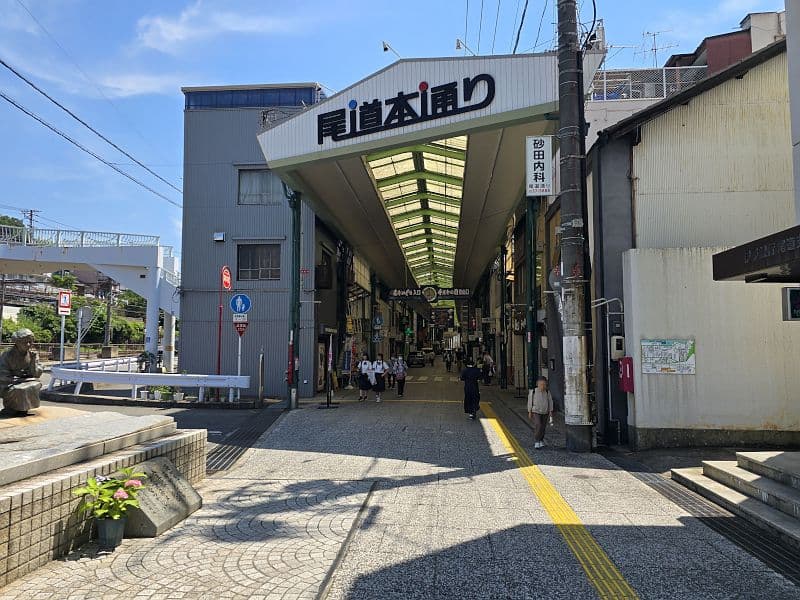
About 12 minutes on foot from the north exit of JR Onomichi Station (Sanyo Line). Head toward Mt. Senkoji and climb the stone steps through the temple area.
Hours
Grounds open for visits at any time
Address
広島県尾道市東土堂町10−3
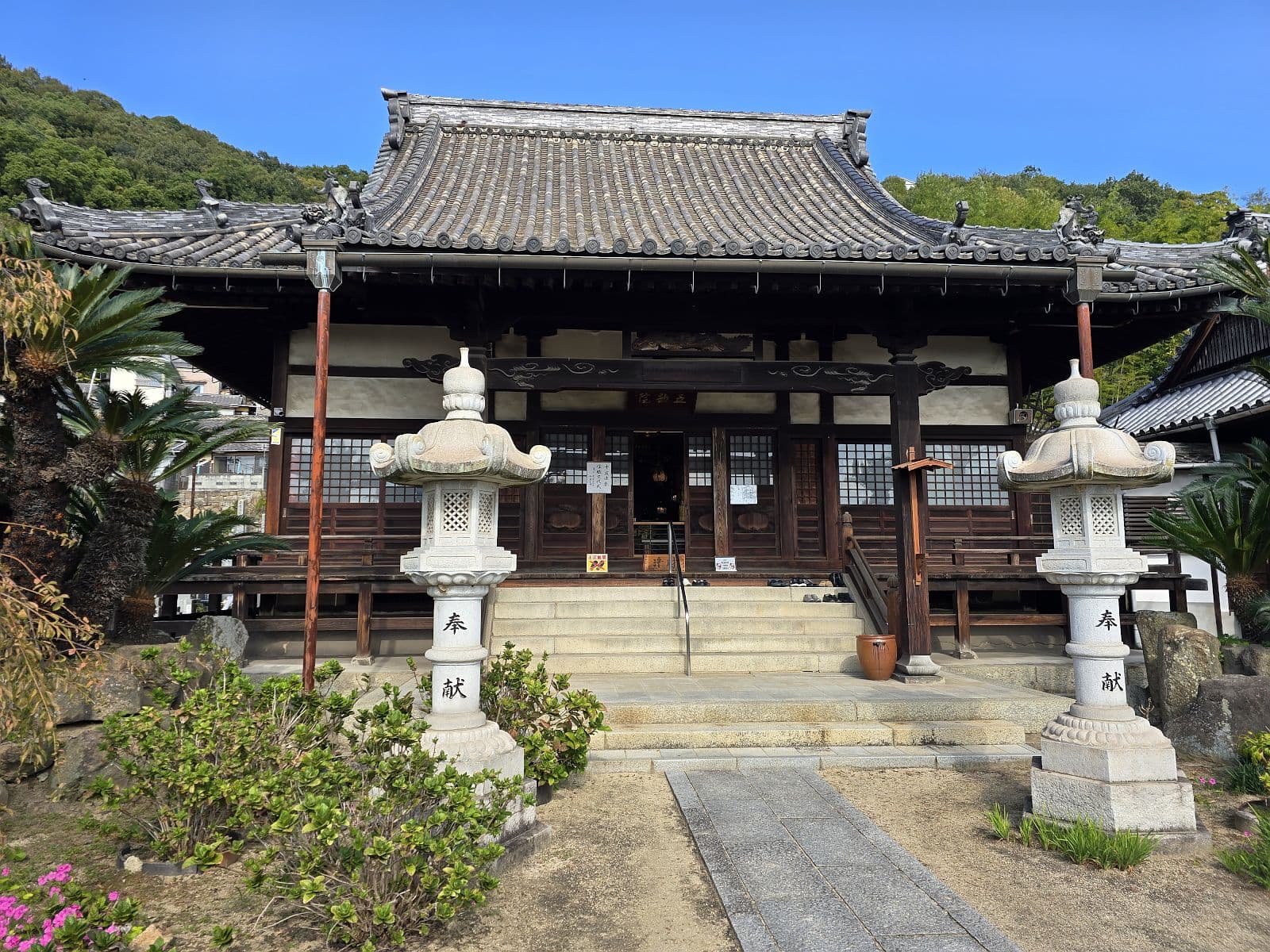
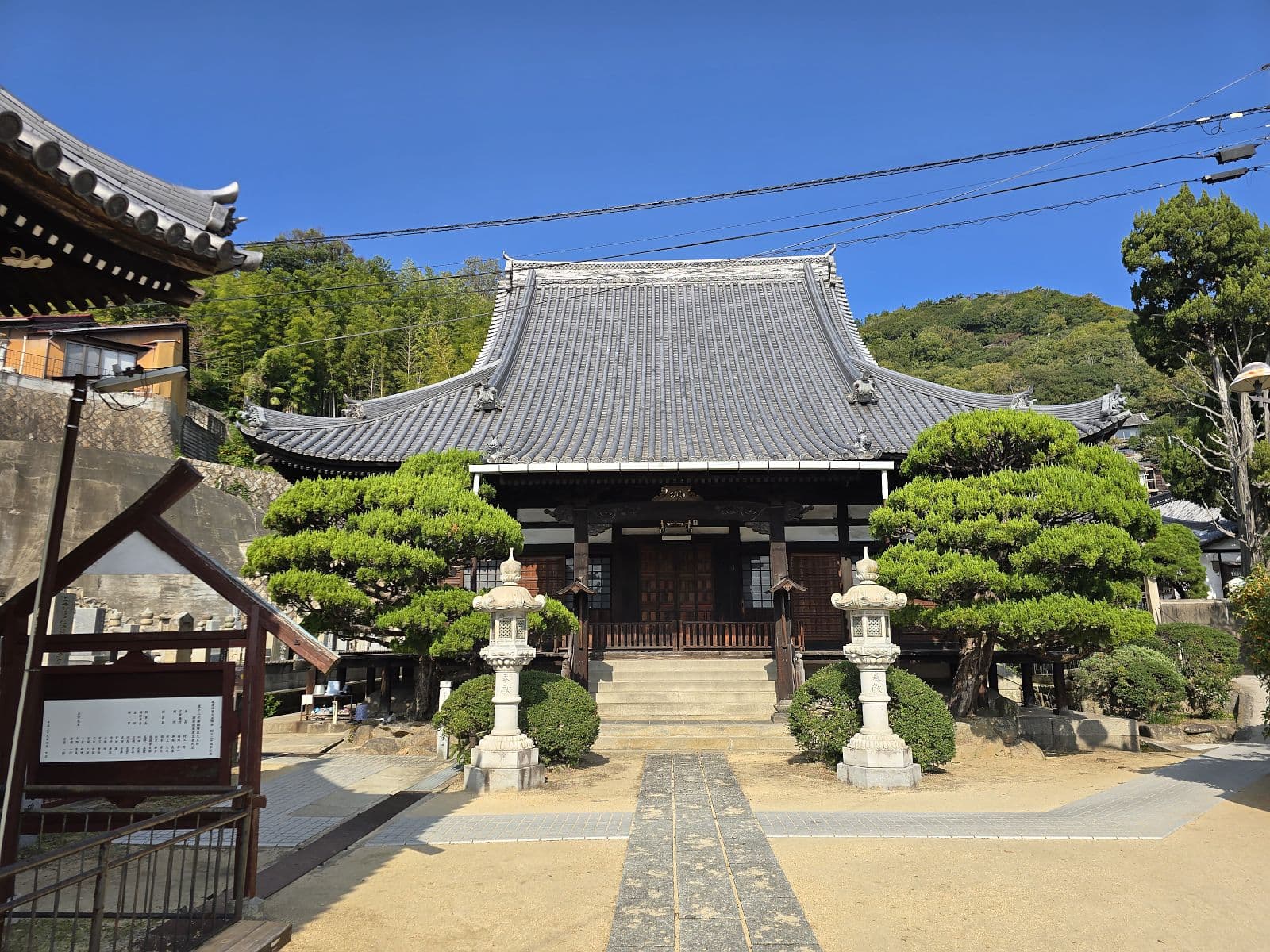
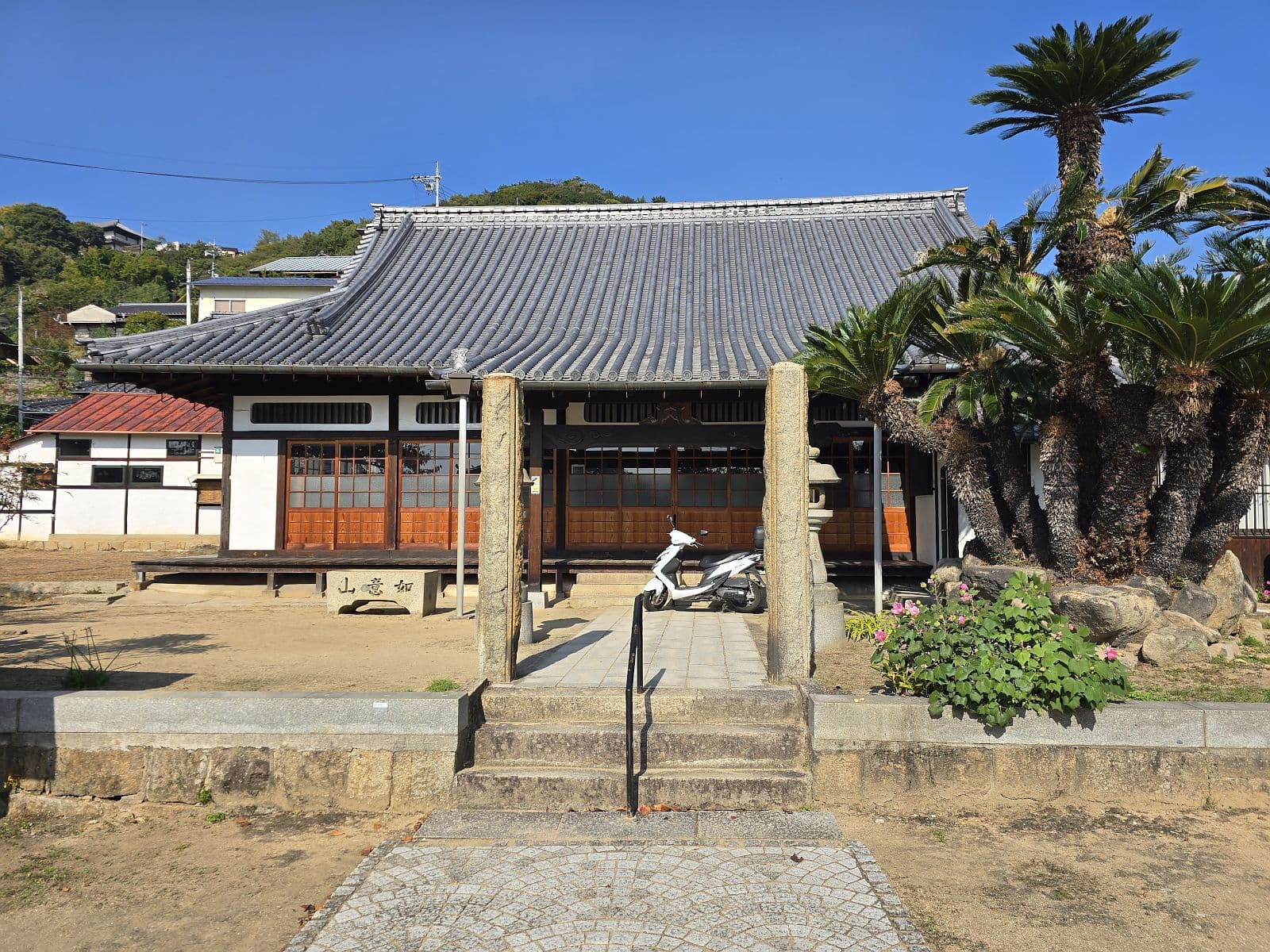
Hodoji is a temple of the Jodo Seizan Zenrinji school halfway up Mt. Senkoji in Higashi-tsuchido-cho, Onomichi, Hiroshima Prefecture. It is said to have been founded by Yukai Ikan around the Jowa era (1345–1349). Its principal image is Amida Buddha. A record from 1489 already mentions "Hodoji at Goshosaki, Onomichi-no-ura, Kurihara-no-ho, Mitsugi District, Bingo Province, Great Japan." Within walking distance of Onomichi Station, it is part of the Onomichi Temple Walk area along with Senkoji and Jikoji. The grounds follow the slope of the hill and blend with Onomichi's typical stone steps and narrow lanes. It is a place to spend quiet time a little away from the tourist crowds. The grounds are not large, but that makes it easy to pray slowly in a calm atmosphere. The Path of Literature and Senkoji Park are nearby, so it is a good stop partway along a walk. You can enjoy fresh green leaves in spring and autumn colors in autumn. It is a temple we recommend for anyone who wants to walk around Onomichi while visiting its historic temples. It stands next to Kibitsuhiko Shrine (Ichinomiya Shrine).
GUIDE
Hodoji Temple: Highlights and How to Visit
What to see and how to get around, with photos
What is Hodoji? A Mt. Senkoji temple with a maneki-neko workshop
Hodoji is a temple of the Jodo Seizan Zenrinji school halfway up Mt. Senkoji in Higashi-tsuchido-cho, Onomichi. Its principal image is Amida Buddha. The grounds are built along steep terrain and merge with Onomichi's stone steps, paved lanes and alleys, giving it an especially Onomichi feel among the temples on the Temple Walk.
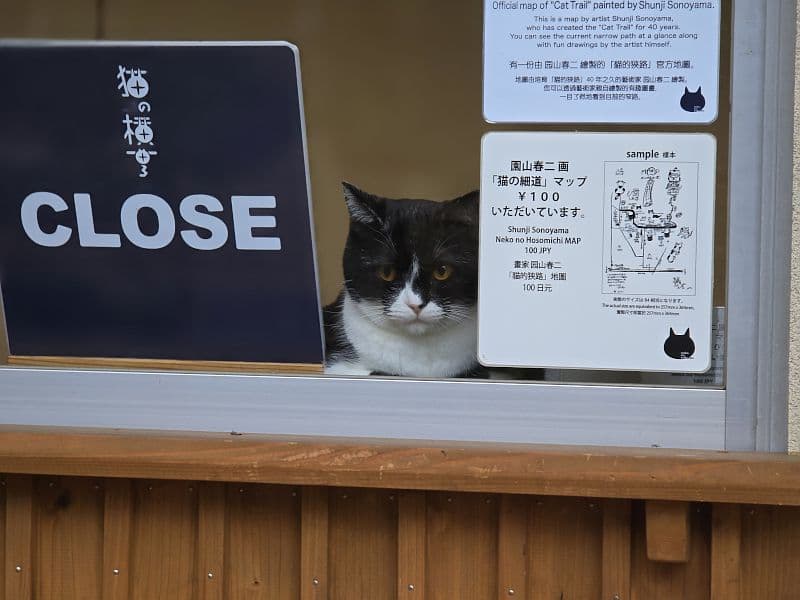
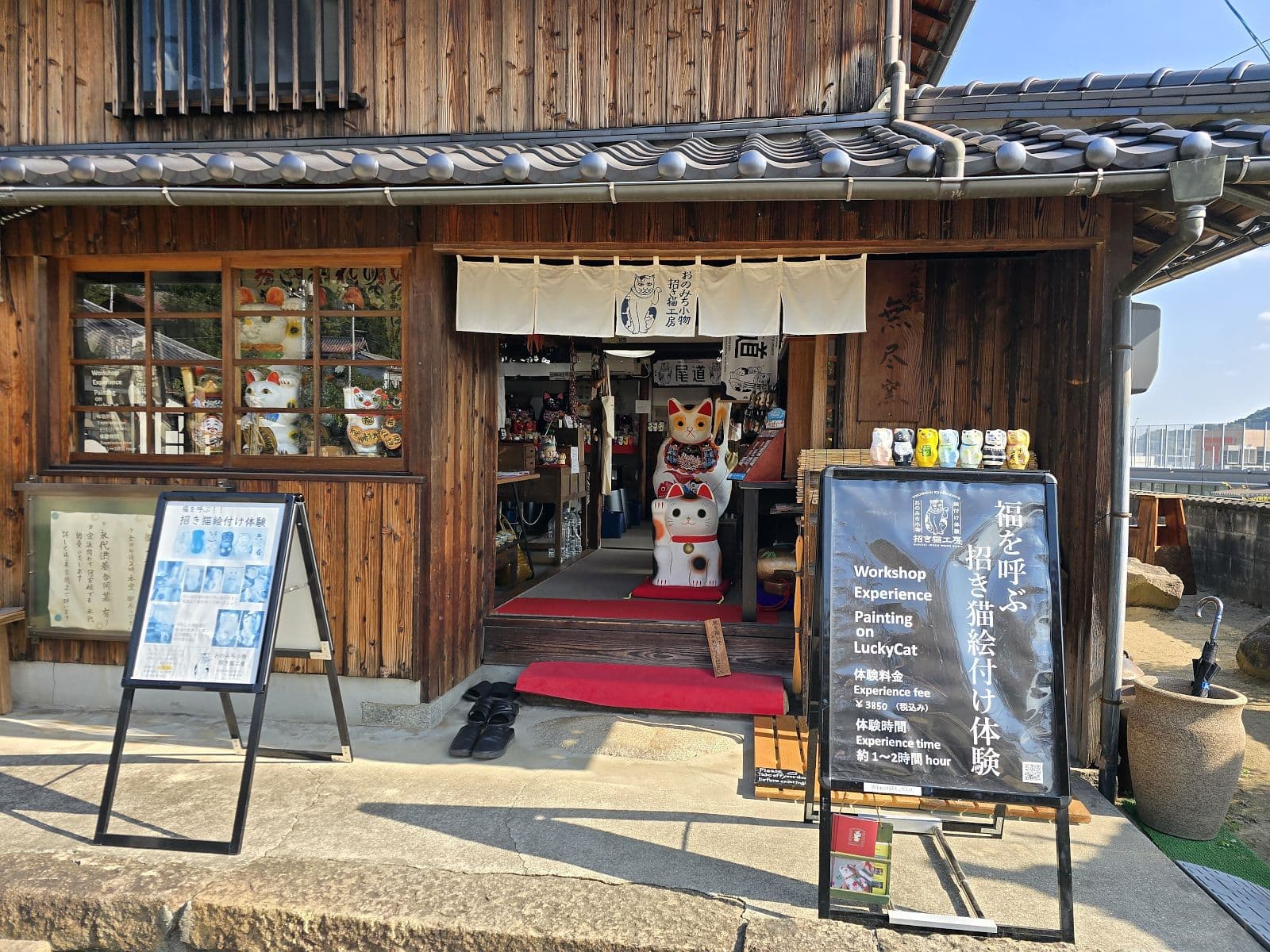
It is smaller than nearby Senkoji, Komyoji and Jikoji, but it has a charm of its own: a maneki-neko (beckoning cat) workshop in its grounds. A craft workshop inside a historic temple is a small surprise for visitors.
The maneki-neko workshop at Hodoji: history and handcraft side by side
In the grounds of Hodoji is a maneki-neko workshop that makes and sells cat figurines and goods. Handmade beckoning cats and cat-themed pieces line the shelves, each one made by hand.
This is not a show put on for tourists. It is a real place where people make things. Being able to visit a temple and look into a craftsperson's workshop at the same time is something only Hodoji offers among Onomichi's temples.
Cat lovers and anyone who likes handmade goods will find plenty to look at, and it gives you a reason to explore the grounds properly. Onomichi is also known as a cat town, with cats living all over the city, and the workshop fits that image well. Nearby Cat Alley is another must for cat fans.
Hodoji history: dating back to the Muromachi period
Hodoji is said to have been founded by Yukai Ikan around the Jowa era (1345–1349). Its principal image is Amida Buddha. Its name already appears in a record from 1489, confirming it existed in Onomichi in the Muromachi period.
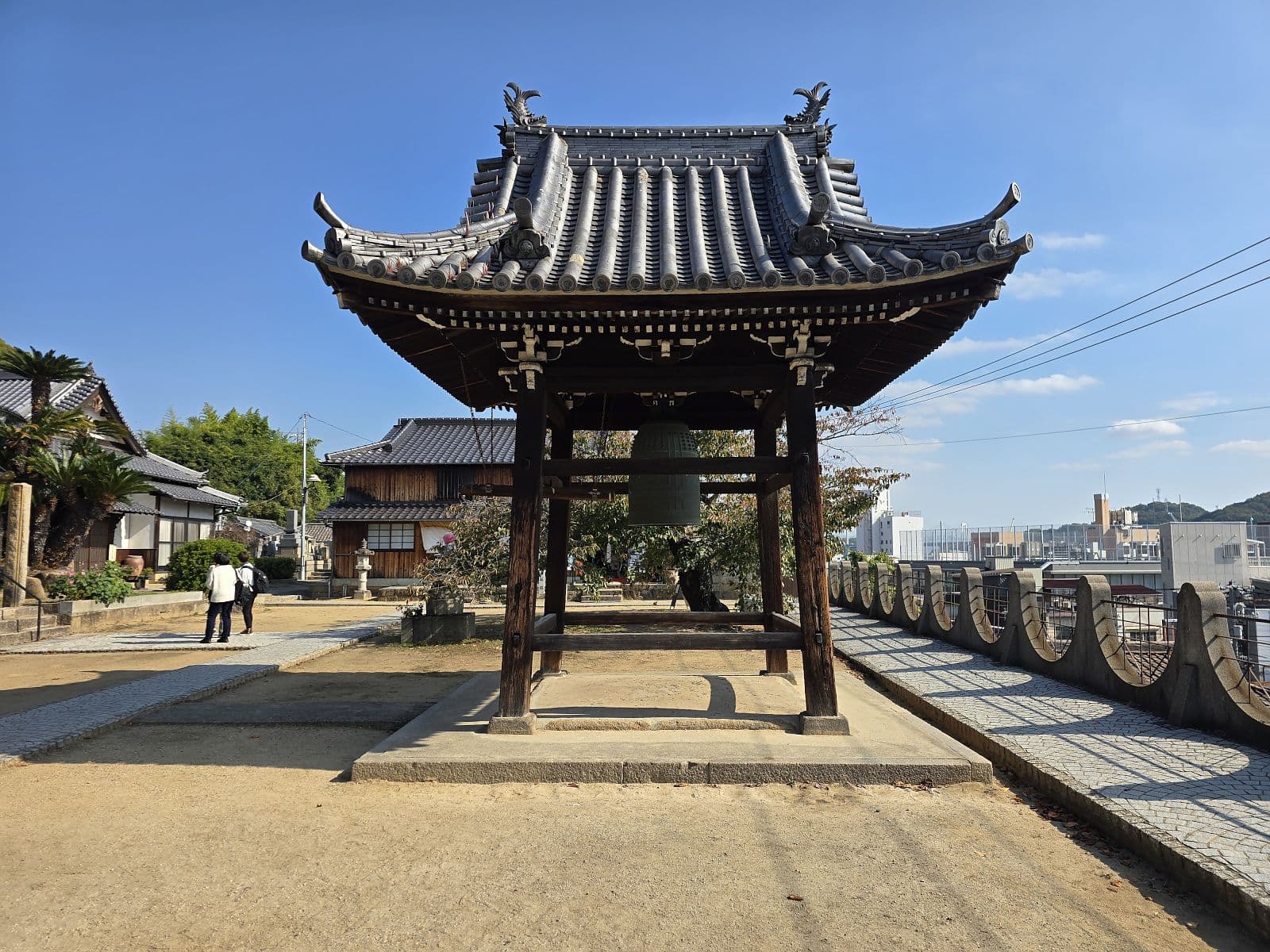
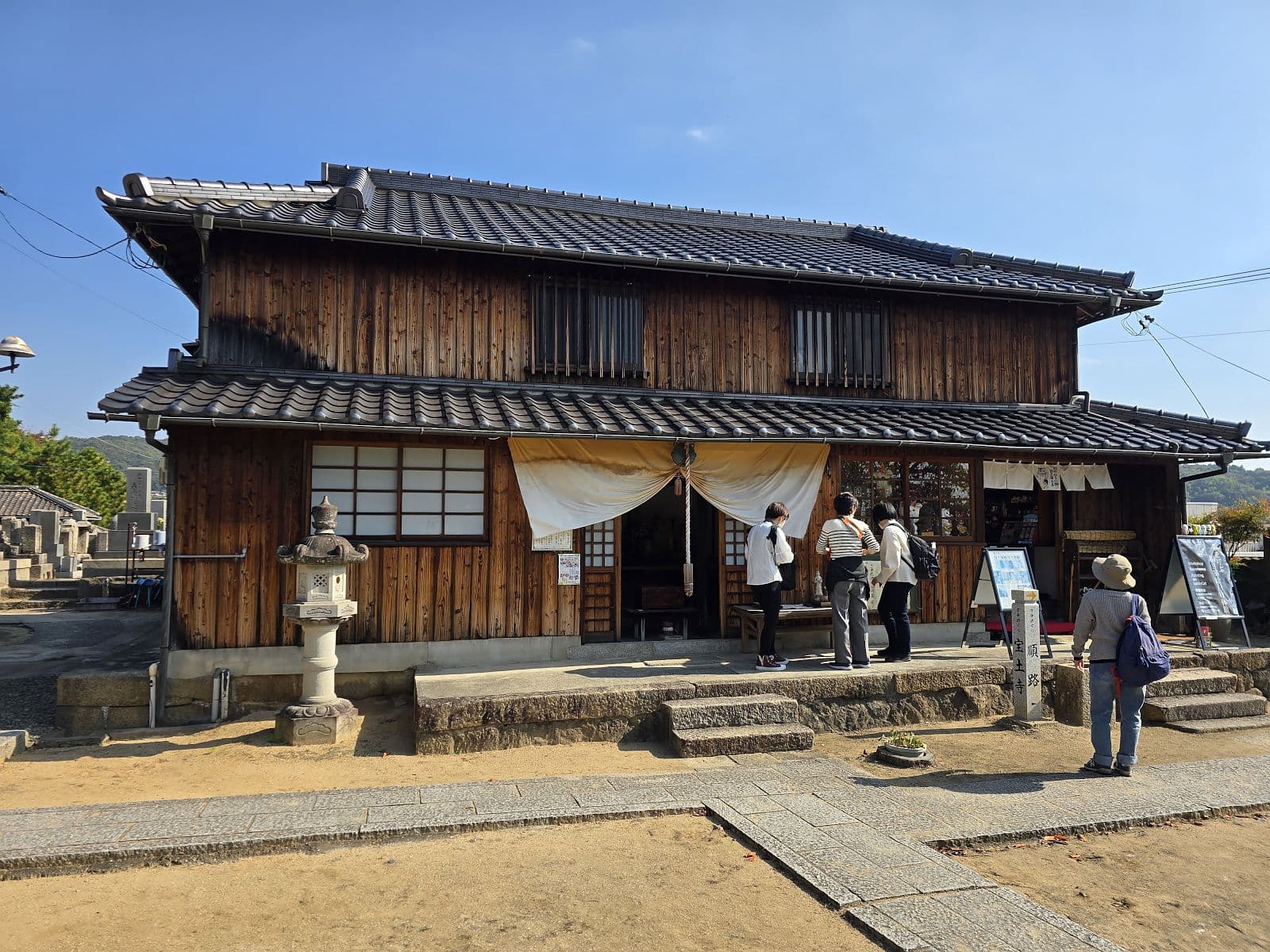
It belongs to the same Jodo Seizan Zenrinji school as nearby Komyoji and Jikoji. The grounds are not large, but the temple has supported local faith for a long time. Its stone steps, main hall and layout preserve the typical form of an Onomichi temple.
Kibitsuhiko Shrine (Ichinomiya Shrine) next to Hodoji
Right next to Hodoji is Kibitsuhiko Shrine (commonly called Ichinomiya Shrine). A temple and shrine standing side by side is a trace of Japan's historic blending of Shinto and Buddhism, and here you can feel how Onomichi's faiths overlap.
Kibitsuhiko Shrine is a local shrine, and you can walk to it from Hodoji on an almost level path. Stopping there after Hodoji lets you visit both a temple and a shrine in one go.
This temple-next-to-shrine scene is one of the unusual spots on the Temple Walk.
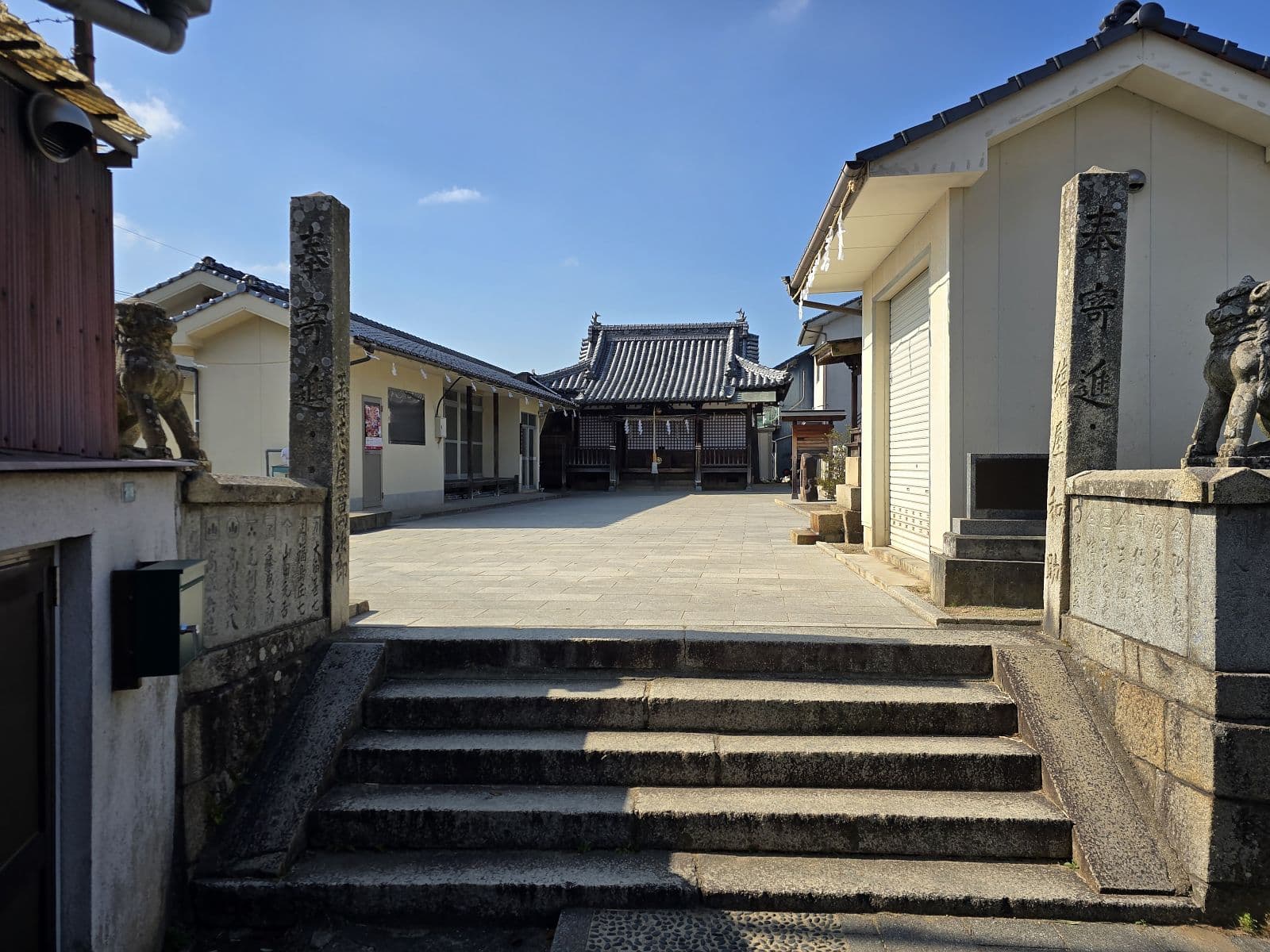
Hodoji on the walking route
Hodoji is in the upper part of the Temple Walk, near Senkoji. From the north exit of JR Onomichi Station, it is about 12–15 minutes on foot up steps and slopes. Climbing past Jikoji and Komyoji, you reach Hodoji next.
Since you reach it with Senkoji not far ahead, it is worth taking time to look around the grounds if you have the energy. Add the maneki-neko workshop and Kibitsuhiko Shrine, and you will find small discoveries in the quiet that only this place offers. See the Onomichi guide for more.
The grounds are open at all times, and there is generally no entry fee (buying from the workshop is optional). The route is all slopes and steps, so wear comfortable shoes.


Basic information
Photo gallery
Tap a photo to enlarge it (swipe or use ← → keys).
RELATED