Access
About 15–20 minutes on foot from JR Onomichi Station. About 3 minutes on foot from the lower station of the Mt. Senkoji Ropeway.
Hours
Grounds open for visits at all times
Address
広島県尾道市東土堂町20
Ushitora Shrine is one of the old shrines scattered around Onomichi and is said to date from the Heian period. The huge camphor tree in its grounds is thought to be more than 900 years old and gives you a sense of how deep Onomichi's history goes. It is also known as a location for Nobuhiko Obayashi's film The Girl Who Leapt Through Time (1983), the place where the heroine played by Tomoyo Harada lands after traveling through time, and many film fans visit it on pilgrimage.
GUIDE
Ushitora Shrine: Highlights and How to Visit
What to see and how to get around, with photos
What is Ushitora Shrine? One of Onomichi's oldest shrines
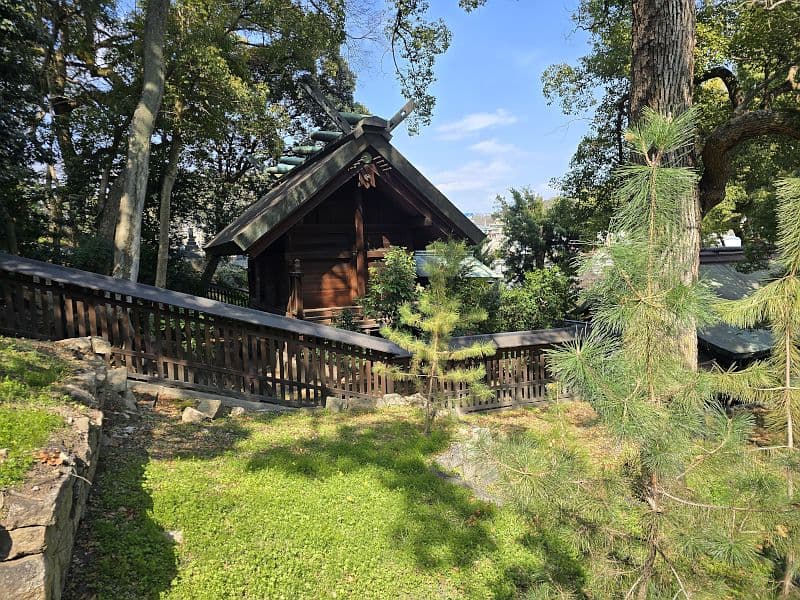
At the foot of Mt. Senkoji, in Onomichi's hillside area of stone steps and walls, stands Ushitora Shrine. It is said to have been founded in the Engi era (901–923) of the Heian period, and locals have long called it "Ushitora-san."
Ushitora is an old word for a direction: northeast. The shrine stood northeast of the old town of Onomichi and has long been worshipped as its guardian. The grounds spread over a low hill; climb the steps and the worship hall and main hall appear.
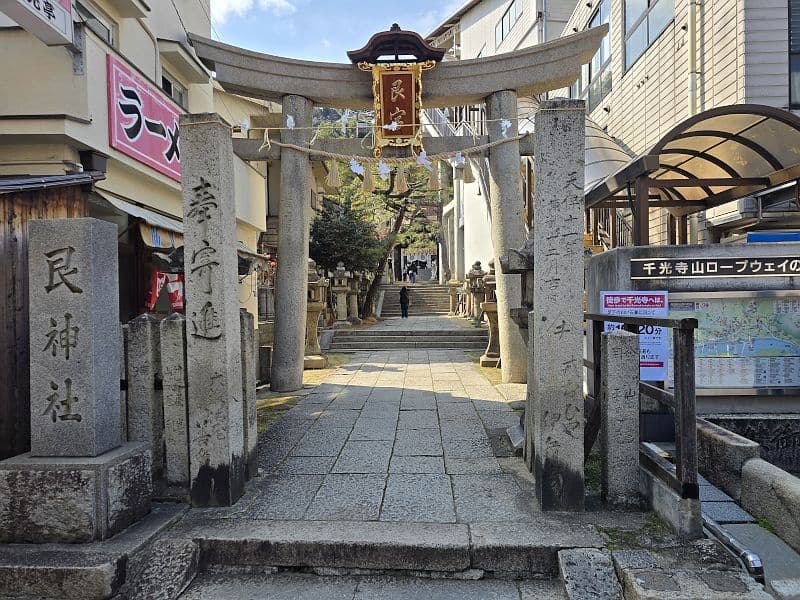
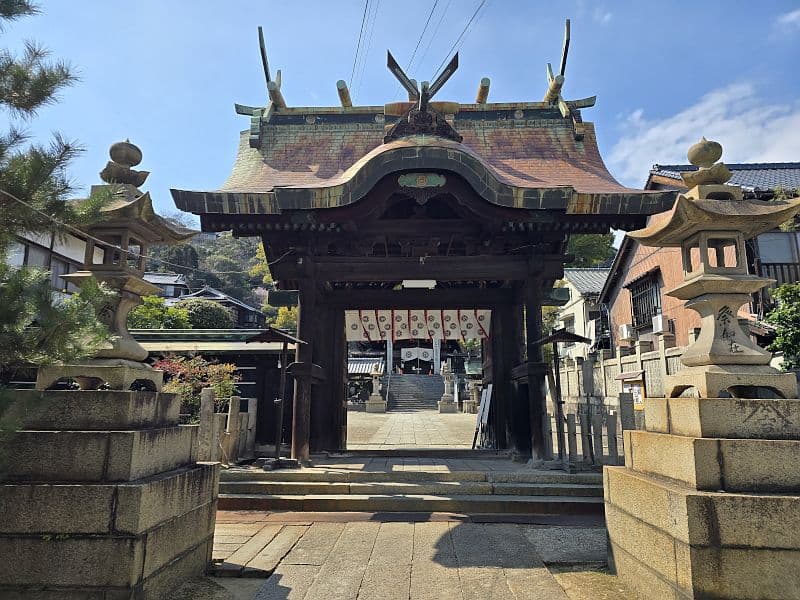
The approach to Ushitora Shrine: from the torii to the Zuishin Gate
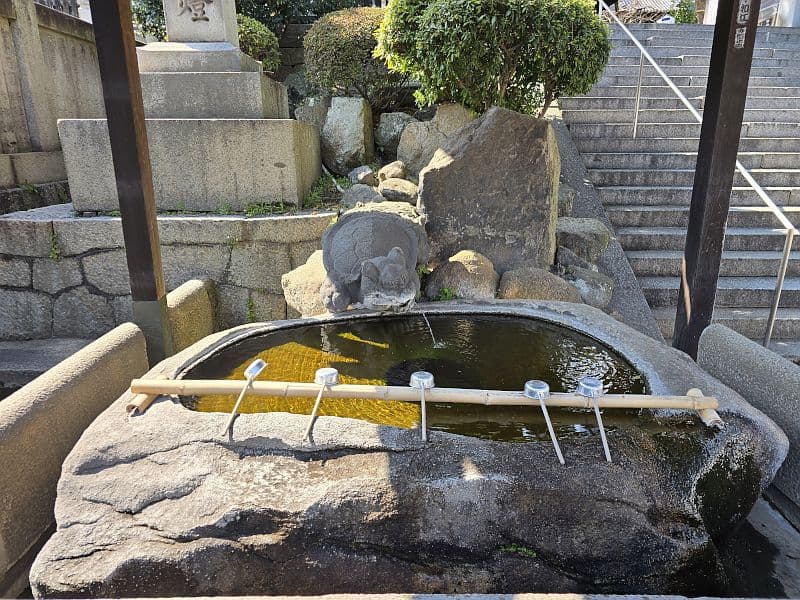
A Myojin-style torii gate stands at the entrance, and an approach lined with stone lanterns leads inside. Huge camphor trees grow over the path, so it feels like walking through a dense green tunnel until the Zuishin Gate appears. The ceiling of the gate has carved decorations, so look up before you pass through. The purification basin is on the left after the gate.
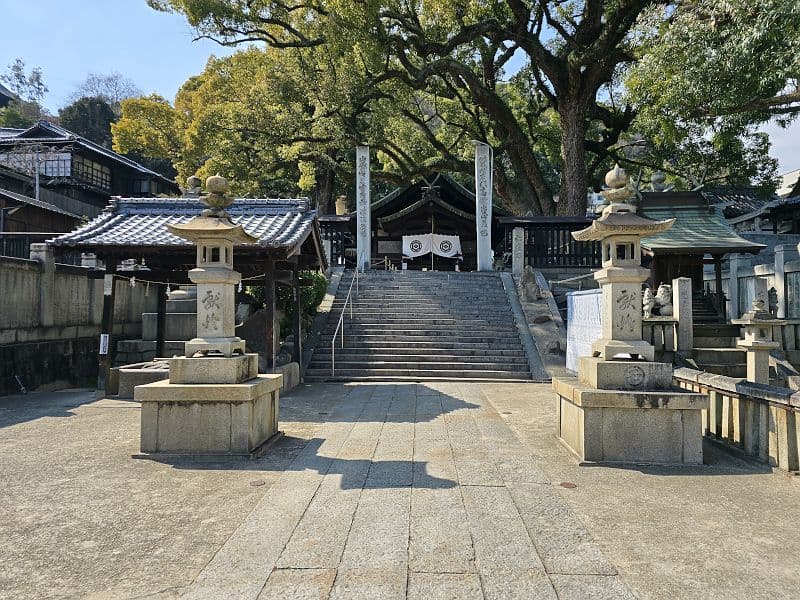
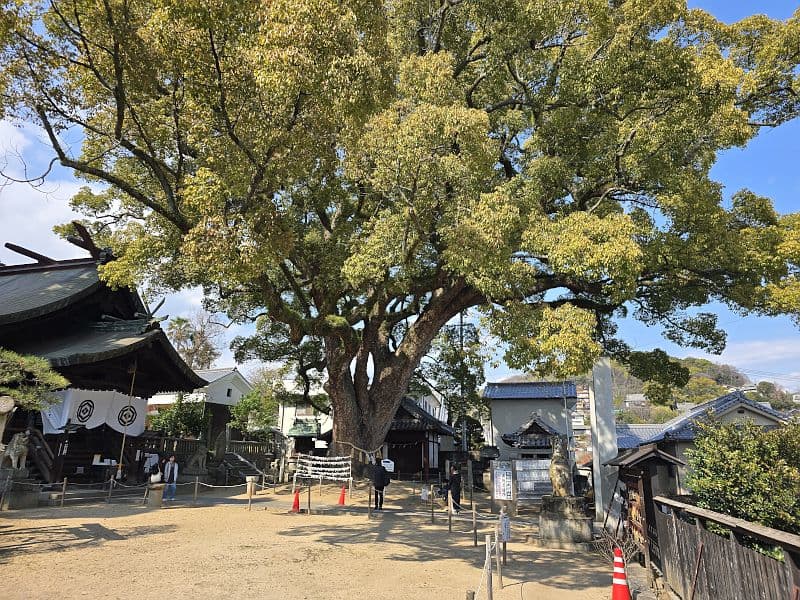
Ushitora Shrine's 900-year-old camphor tree
What catches most visitors' eyes first is the giant camphor tree in the grounds. It is estimated to be more than 900 years old, and its trunk is so thick that several people holding hands can barely reach around it.
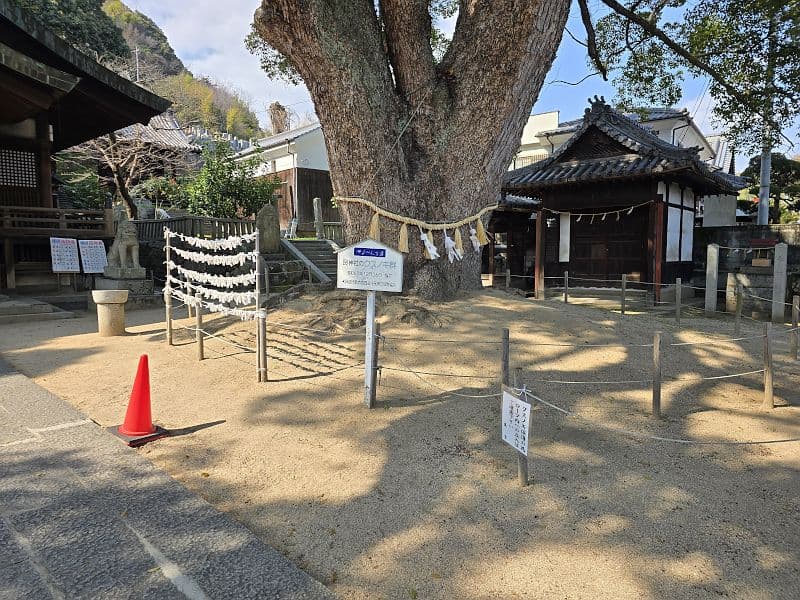
The mossy trunk, branches stretching powerfully in every direction and leaves rustling in the dappled light seem to change the air of the whole grounds. A sacred rope is tied around it as a shrine tree, showing how long local people have cherished it.
It is designated a natural monument of Hiroshima Prefecture, with a trunk circumference of about 7.3 m and a height of about 40 m. As one of Onomichi's best-known power spots, it also draws travelers who love big trees and nature.
Ushitora Shrine as a location for The Girl Who Leapt Through Time
Ushitora Shrine is known as a location for The Girl Who Leapt Through Time (1983), directed by Onomichi native Nobuhiko Obayashi. It is where the heroine Kazuko Yoshiyama, played by Tomoyo Harada, lands after traveling through time.
Obayashi captured Onomichi's scenery in many films, starting with his Onomichi Trilogy, and Ushitora Shrine is one of his best-known locations. More than 40 years after the film's release, fans still visit quietly. Standing in the grounds, you can feel the film's memorable scenes overlap with the real place.
Highlights inside Ushitora Shrine
The grounds are compact, but you keep finding things as you walk. At the top of the steps, the worship hall is straight ahead with the main hall behind it. Besides the camphor tree, several other large trees stand in the grounds, wrapping them in green.
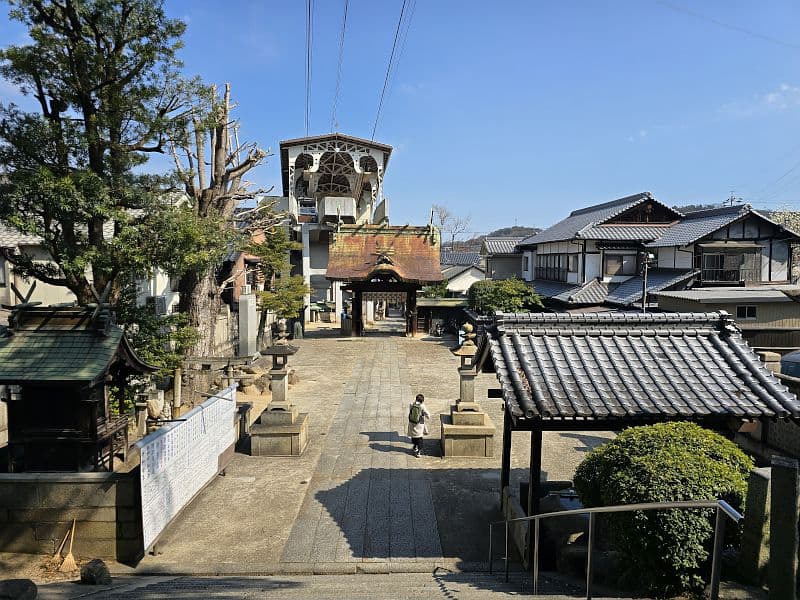
From the courtyard you can see a station of the Mt. Senkoji Ropeway, which shows how three-dimensional Onomichi's terrain is.
Combine Ushitora Shrine with the Temple Walk
Ushitora Shrine is along Onomichi's Temple Walk. It sits partway along the path linking the hillside temples, such as Jikoji, Komyoji, Hodoji and Tenneiji, so walking them together is an efficient way to see the hillside area.
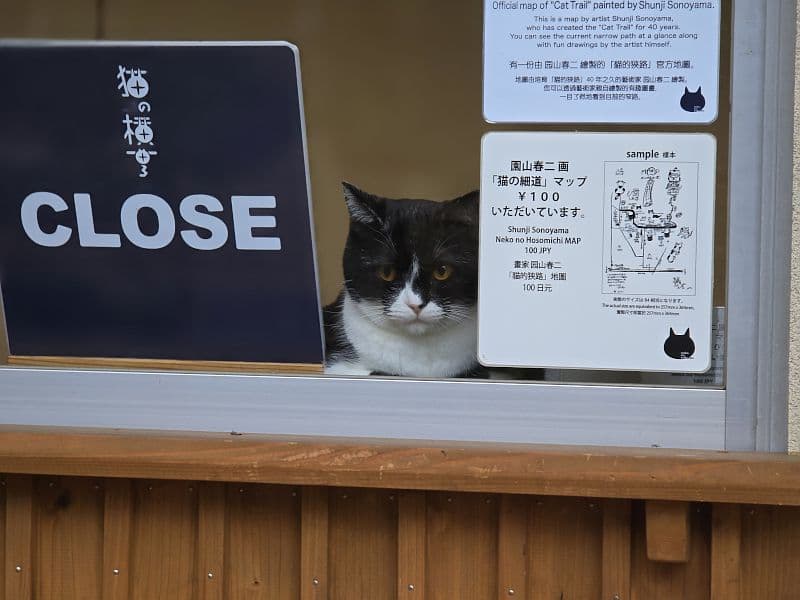
It is close to the lower station of the Mt. Senkoji Ropeway, so an easy route is to ride the ropeway up to Senkoji and stop here on the walk down. It is also right next to Cat Alley, and many travelers visit both. The route is all slopes and steps, so wear sneakers or other comfortable shoes.
Tips for visiting Ushitora Shrine
Ushitora Shrine is less a busy tourist spot than a quietly maintained local guardian shrine. Because it is not overly touristy, it feels like a shrine in its original sense. It is right by Cat Alley, so many travelers visit both, and it has become a standard stop on Onomichi film pilgrimages.
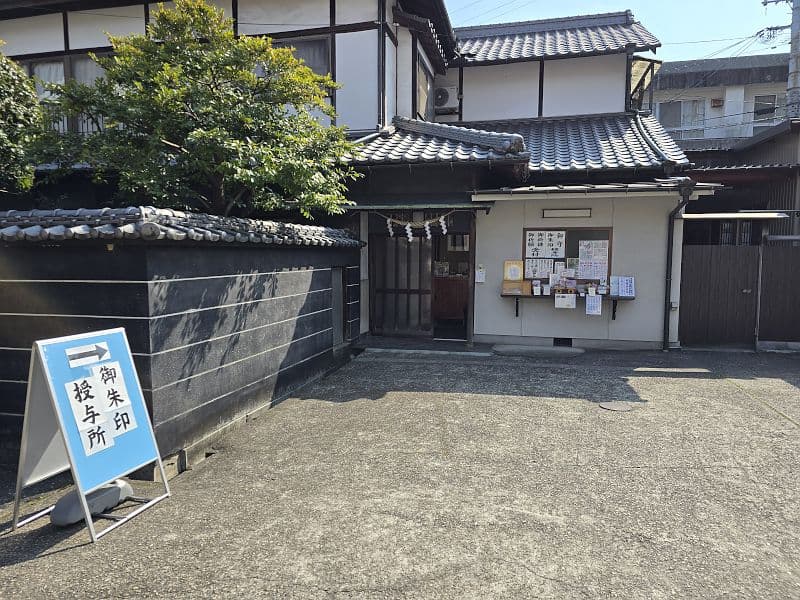
Visiting is free, and the grounds are open all day. Spend some time in front of the camphor tree, a Hiroshima Prefecture natural monument, and take in its presence. You can receive a goshuin (shrine seal) at the shrine office. See the Onomichi guide for more.


Basic information
Photo gallery
Tap a photo to enlarge it (swipe or use ← → keys).
RELATED