Access
About 15 minutes on foot from JR Onomichi Station. You can include it in the Temple Walk together with Jikoji, Komyoji and other temples.
Hours
Grounds open to visitors at all times
Address
広島県尾道市東土堂町17-29
Tenneiji is an old Rinzai Zen temple built in the Muromachi period on the orders of Ashikaga Takauji. Its three-story pagoda stands above Onomichi Port, and painters and photographers have long loved its outline against the sea. The view of the pagoda from boats on the Onomichi Channel is one of the symbols of Onomichi.
GUIDE
Tenneiji Temple Three-Story Pagoda: Highlights and How to Visit
What to see and how to get around, with photos
What is Tenneiji? A Rinzai Zen temple from the Muromachi period
Tenneiji stands in the hillside part of Onomichi, at the top of a flight of stone steps. It is an old Rinzai Zen temple from the Muromachi period. It is said to have been founded in 1339 as one of the Ankokuji temples Ashikaga Takauji ordered built across Japan, giving it nearly 700 years of history.
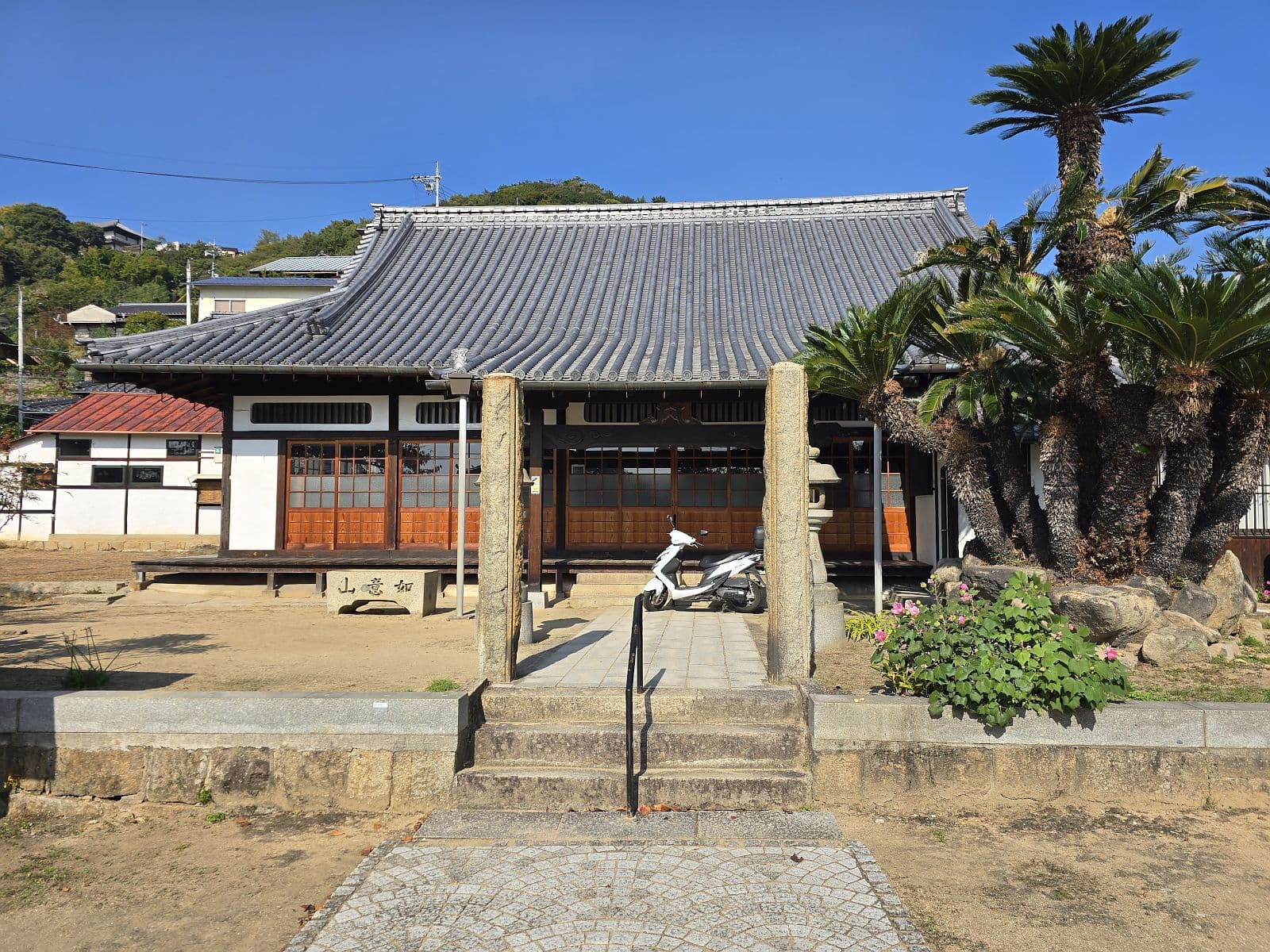
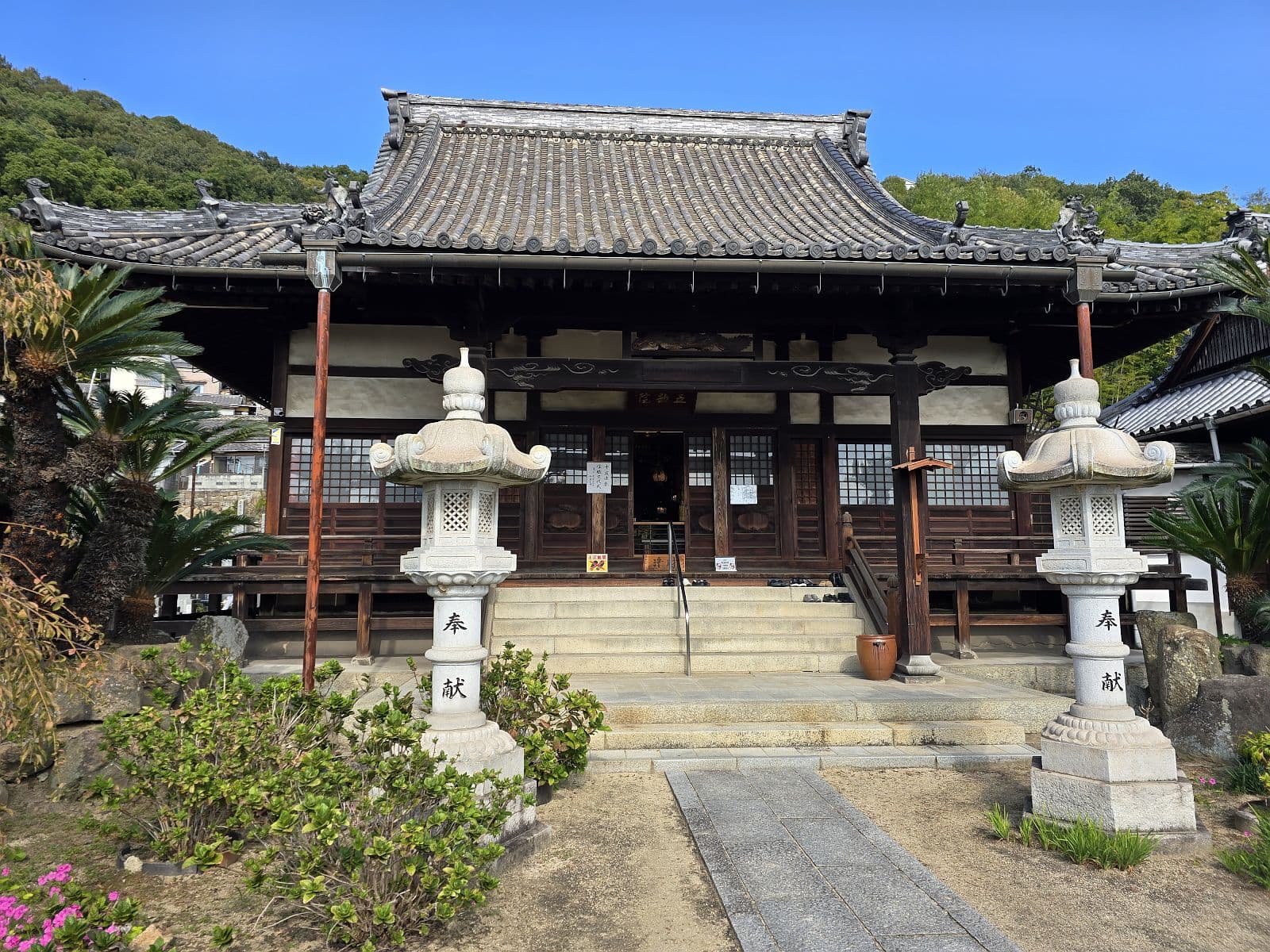
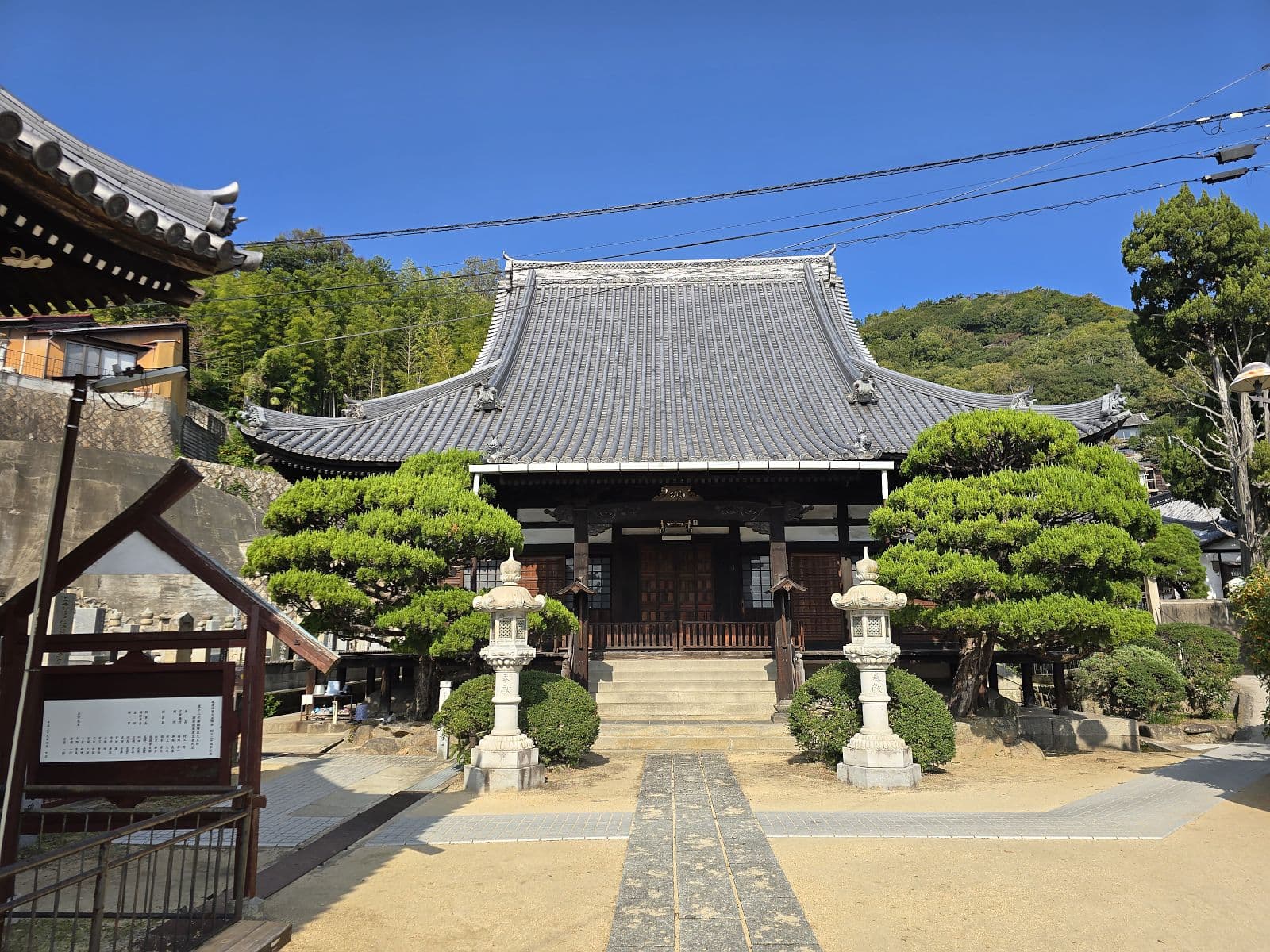
In the grounds, along with the main hall, priests' quarters and bell tower, the three-story pagoda stands out. The calm of a Zen temple and the outline of the pagoda together make this one of the defining sights of Onomichi's hillside area.
Tenneiji three-story pagoda: Onomichi's symbol against the sea
The pagoda is a wooden structure said to date from the late Muromachi period, and it is designated an Important Cultural Property of Hiroshima Prefecture. It is about 29 m tall, and because it stands on the hillside it seems to rise clear toward the Onomichi Channel.
The best-known angle is looking up from the sea side. With boats on the channel and Mukaishima across the water behind it, the green of the trees and the wood of the pagoda have long been painted and photographed as a typical Onomichi view. Writers connected with Onomichi, including Fumiko Hayashi, also wrote about this scene.
The pagoda is a short climb up from the north side of the Onomichi Hondori shopping street. You can look up at it from the road along the sea (near Nagaeguchi and the Onomichi Channel) and also from up close inside the grounds.
Tenneiji grounds and main hall
The pagoda leaves the strongest impression, but inside the grounds the main hall and priests' quarters stand quietly. The grounds are simple and orderly, as you would expect of a Zen temple, and they stay fairly calm even at busy times.
The main hall enshrines Shakyamuni Buddha, and you can pray there. Stone Buddhas and graves in one corner of the grounds show the temple's long role in local life. You can only view the pagoda from outside, but standing close to it lets you see the fine wooden construction and its weathered surface.
Tenneiji on the Onomichi Temple Walk
Tenneiji is one of the main stops on the Temple Walk laid out by Onomichi City. It is in the same hillside area as Jikoji, Komyoji, Hodoji, Ushitora Shrine and Senkoji, and you can visit them together along stone-paved slopes and lanes.
Walking the whole course takes 1–2 hours. Tenneiji is fairly close to the road, so it is a good first stop. From the pagoda, a natural route continues uphill to Ushitora Shrine, Jikoji and Senkoji. See the Onomichi guide for more.
Tenneiji in literature and art
Onomichi has close ties with many writers and filmmakers, including Naoya Shiga, Fumiko Hayashi and Yasujiro Ozu, and the Tenneiji pagoda is part of that cultural history. It appears again and again in paintings and prints of Onomichi and in photos from before and after the war, and has long been part of the town's skyline.
Today, film directors who come to Onomichi for location shooting and travelers with cameras still stop in front of the pagoda.
Tips for visiting Tenneiji
When you visit, try the angle looking up at the pagoda from the Onomichi Channel side (the road near Nagaeguchi). We recommend seeing the pagoda from outside first, then going in to visit the temple.
The steps up to the grounds are not steep, but they get slippery in the rain. The grounds are right next to people's homes, so please keep your voice down.


Basic information
RELATED