Access
About 20 minutes on foot from JR Onomichi Station. About 5 minutes on foot from the Saikokuji-shita bus stop. At the western end of the Temple Walk.
Hours
Grounds open for visits at all times. Golden Hall 9:00–17:00.
Address
広島県尾道市西久保町29-27
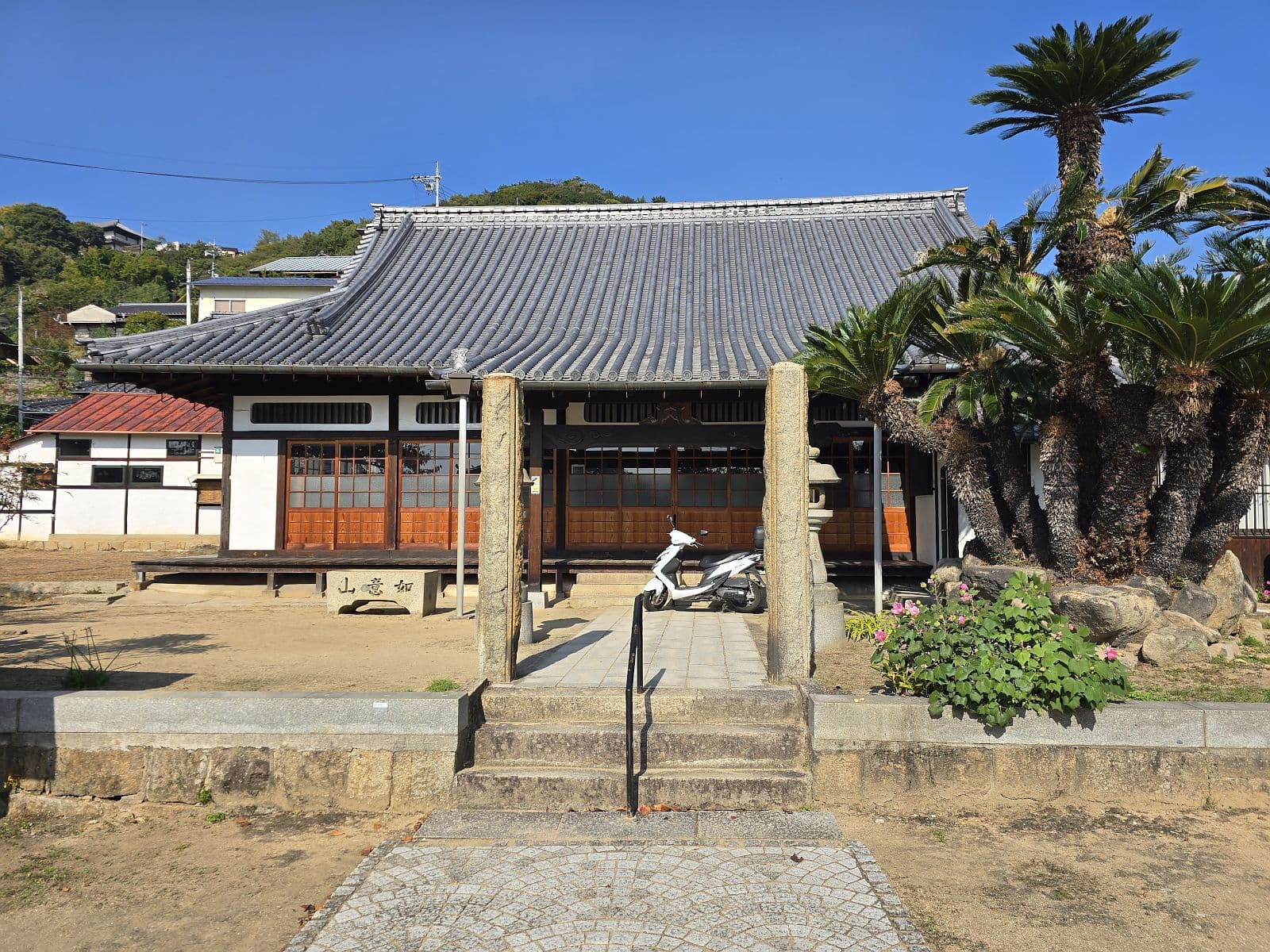
Saikokuji is an old temple of the Shingon Daigo school said to have been founded in the Nara period (8th century), and one of the largest temples in Onomichi. A huge straw sandal (waraji) is offered at its Nio Gate (a national Important Cultural Property) at the top of steep steps, and many people come to pray for strong legs. With a three-story pagoda, a Golden Hall and other historic buildings, it is a site of real historical weight.
GUIDE
Saikokuji Temple: Highlights and How to Visit
What to see and how to get around, with photos
What is Saikokuji? One of Onomichi's largest old temples
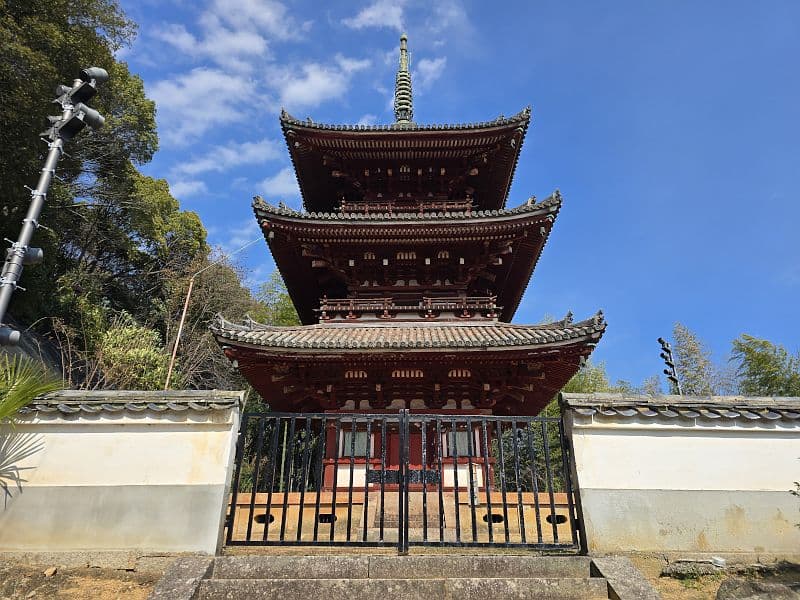
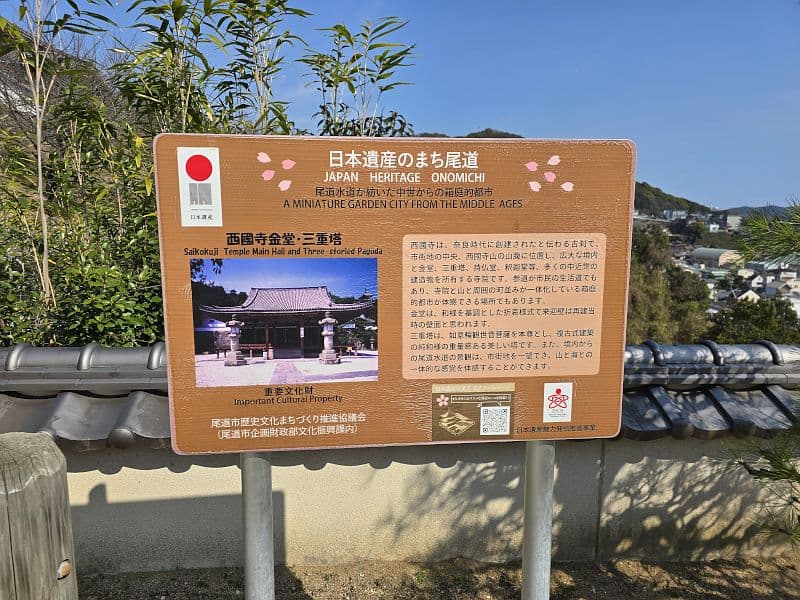
Saikokuji is one of Onomichi's old temples, along with Senkoji and Tenneiji. A temple of the Shingon Daigo school said to have been founded by the monk Gyoki in the Nara period (8th century), it is one of the largest and oldest in Onomichi. Its Golden Hall and three-story pagoda are also recognized as cultural properties of the Japan Heritage story "Onomichi: A Medieval Miniature Garden City Created by the Onomichi Channel," and it is known as one of Onomichi's leading power spots and historic sites. It stands at the western end of the Temple Walk and welcomes visitors walking from the Onomichi Station side as the grand temple that rounds off the walk.
The giant straw sandal on Saikokuji's Nio Gate
You cannot talk about Saikokuji without the giant straw sandal (o-waraji) hanging on the Nio Gate. This huge straw sandal, said to be about 2.5 m long and to weigh about 45 kg, is offered in prayer for strong legs and a healthy lower body. Tradition says you receive its blessing by touching your own sandals to it.
The Nio Gate itself is a Muromachi-period structure designated a national Important Cultural Property, and its solid wooden form conveys the weight of the temple's history. Pass through it and climb the steep steps to reach the grounds, with the Golden Hall, pagoda and bell tower.
Saikokuji's stone steps: a steep climb that sets the mood
Past the Nio Gate, steep stone steps await. They are not long, but the steepness and the old paving make you feel you are crossing into the temple. They are slippery in or after rain, so watch your footing. Reaching the top is part of the satisfaction of visiting Saikokuji.
Saikokuji cultural properties: the Golden Hall and three-story pagoda
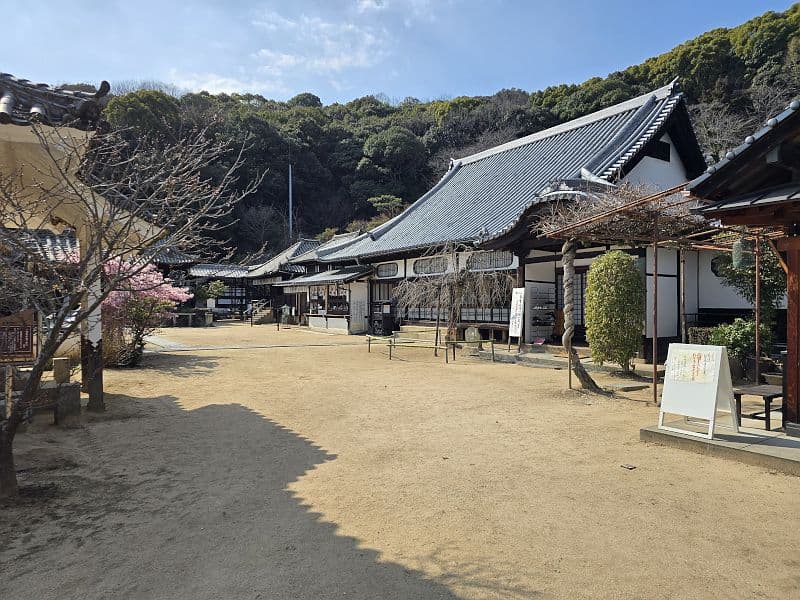
At the top of the steps are several important buildings.
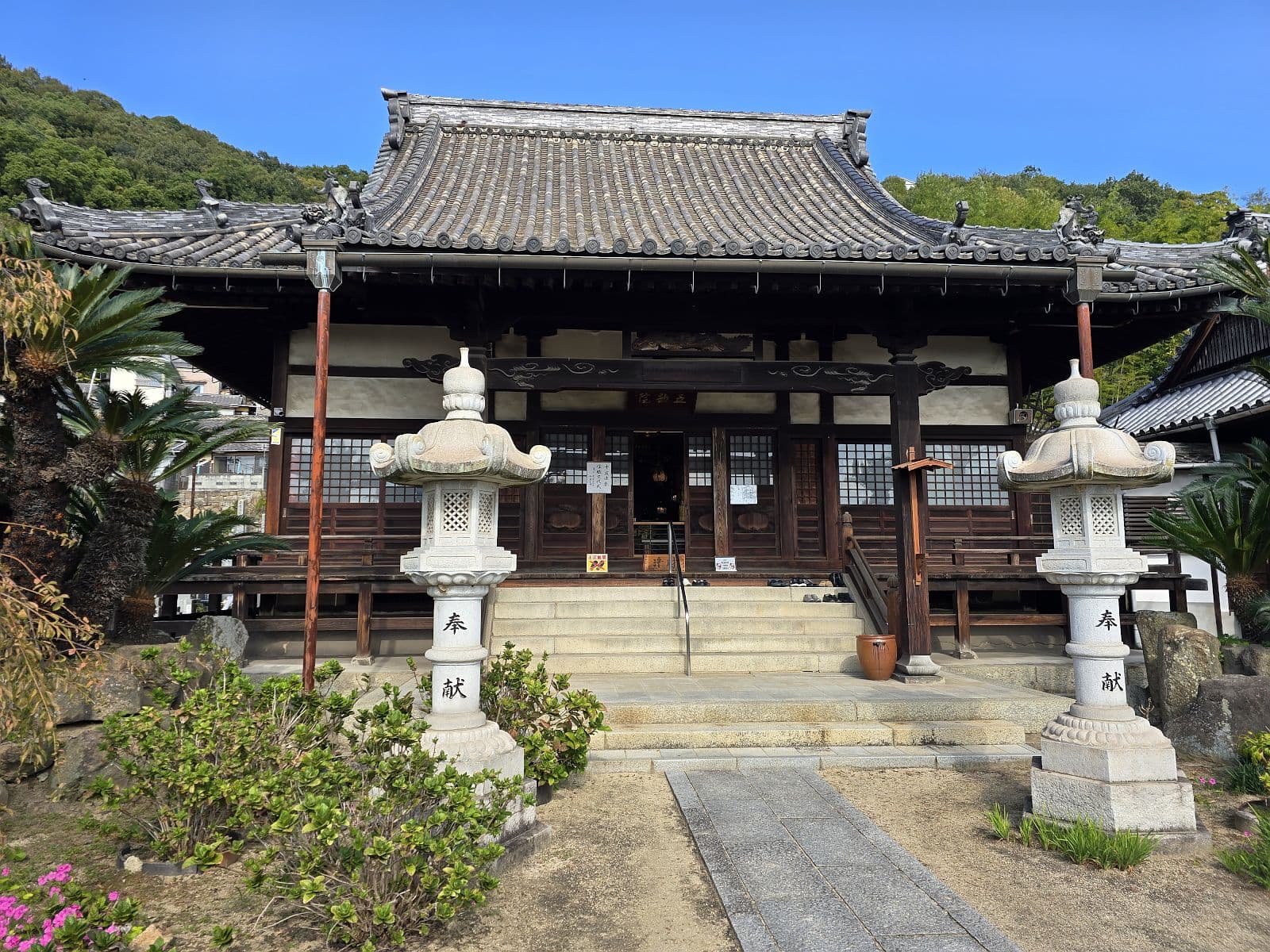
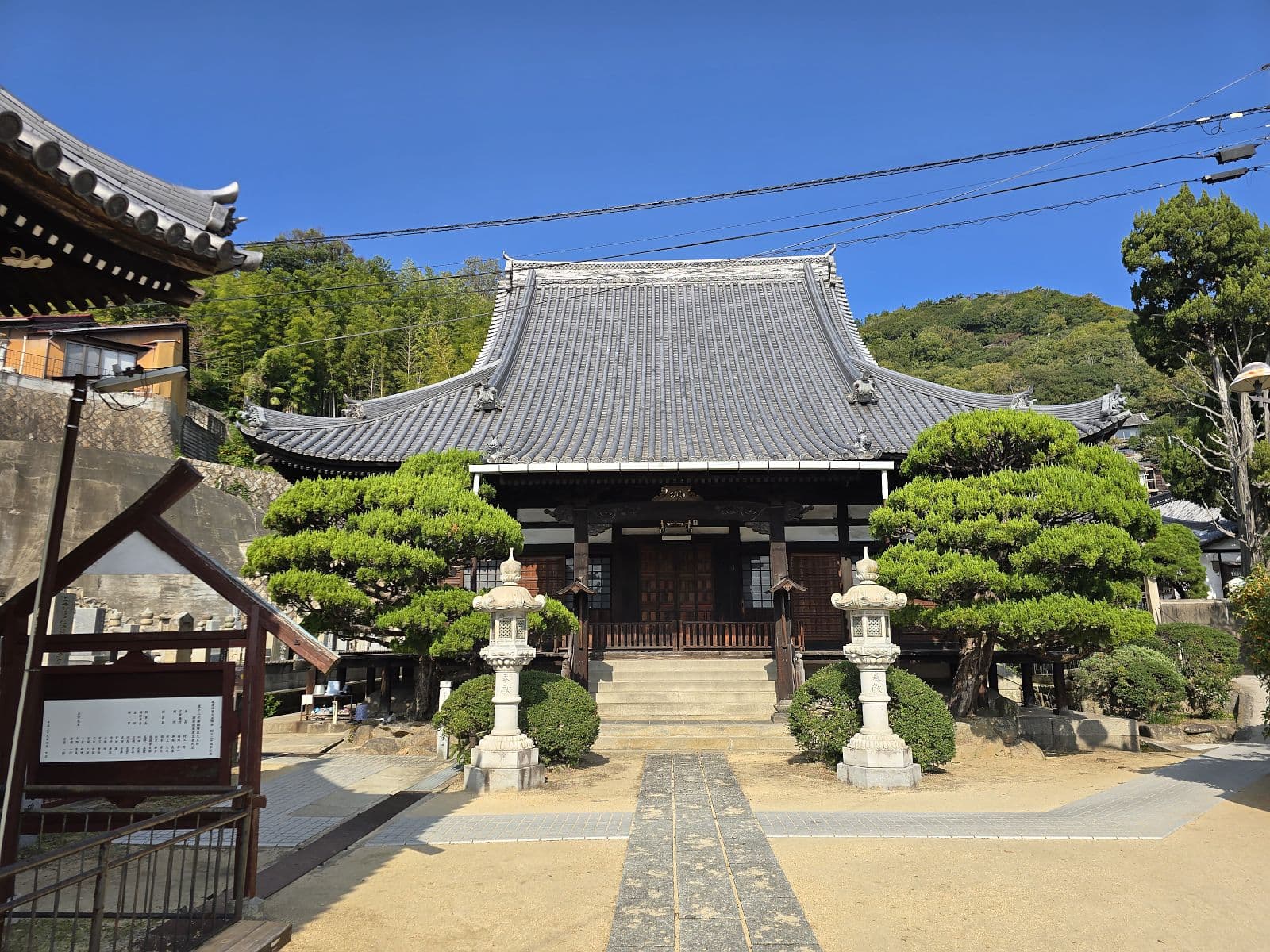
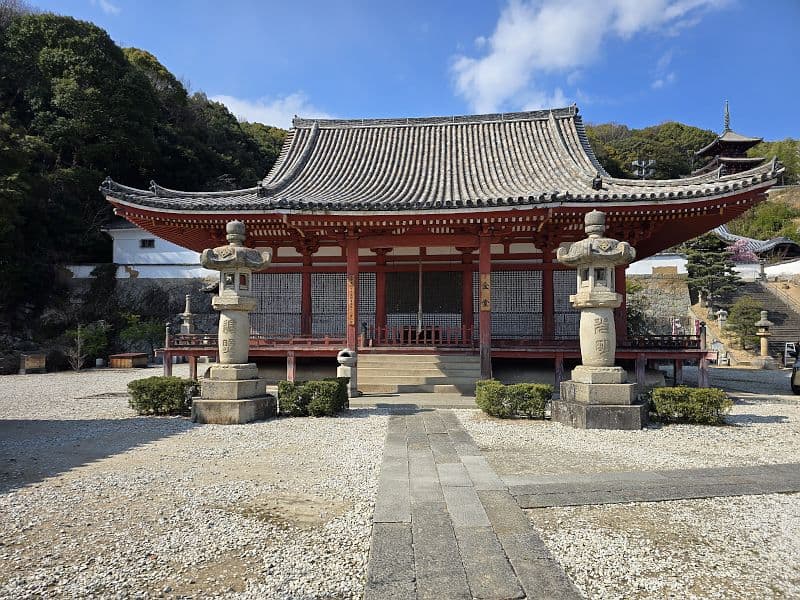
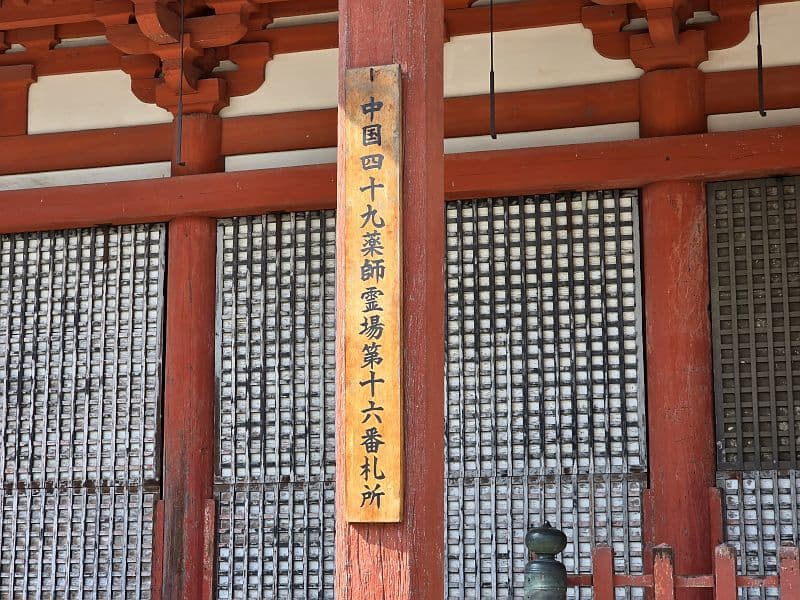
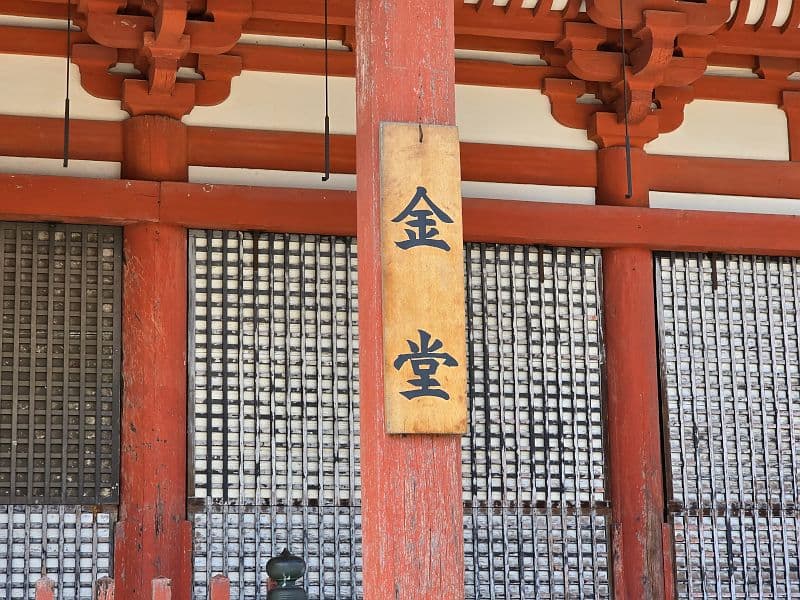
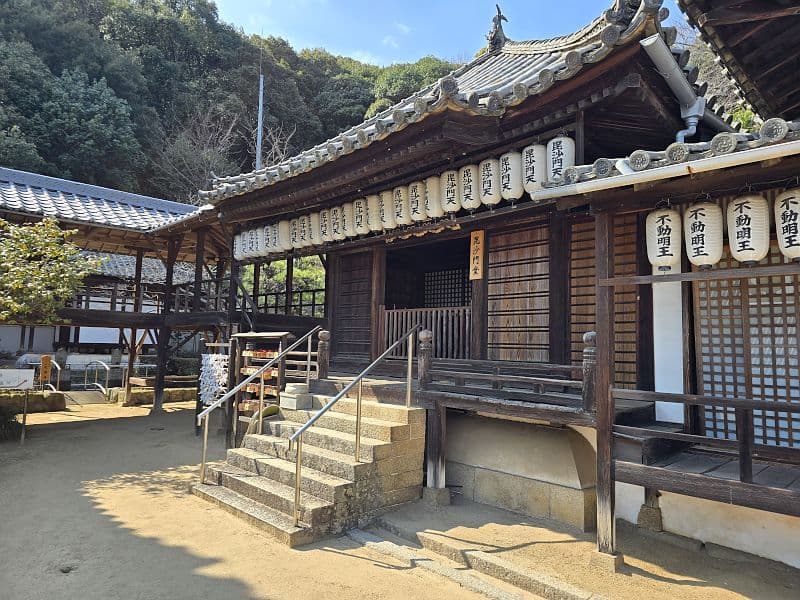
The Golden Hall (main hall) dates from the early Edo period and is a national Important Cultural Property. Its principal image is Yakushi Ruriko Nyorai (the Medicine Buddha), and people come constantly to pray for recovery from illness and good health. Inside, Buddhist statues and ritual objects stand in a solemn, tense atmosphere.
The three-story pagoda stands on high ground behind the Golden Hall and can sometimes be seen from the sea side of Onomichi. It is less famous than the Tenneiji pagoda, but it has a quiet charm standing at the back of the grounds.
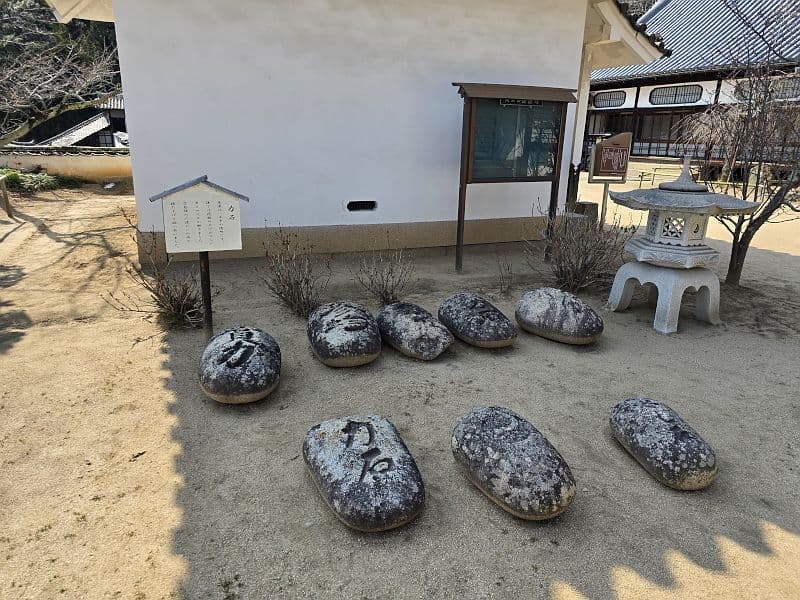
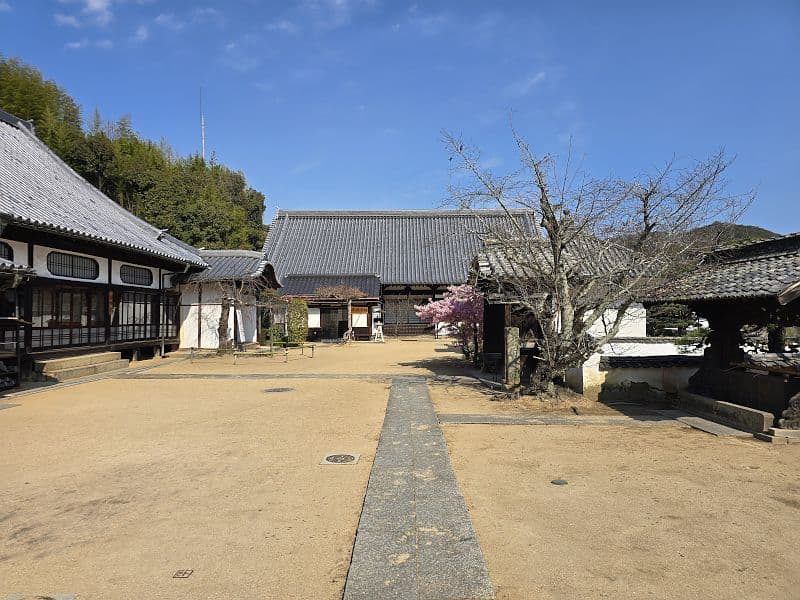
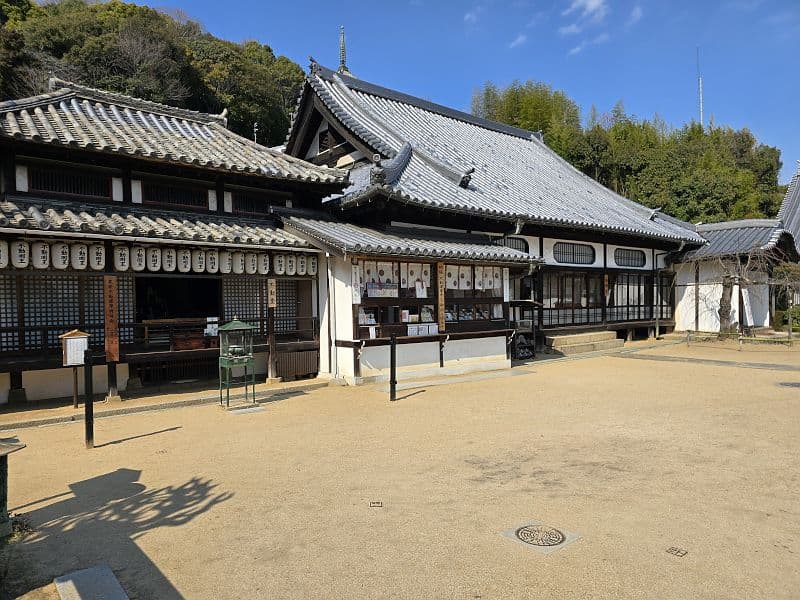
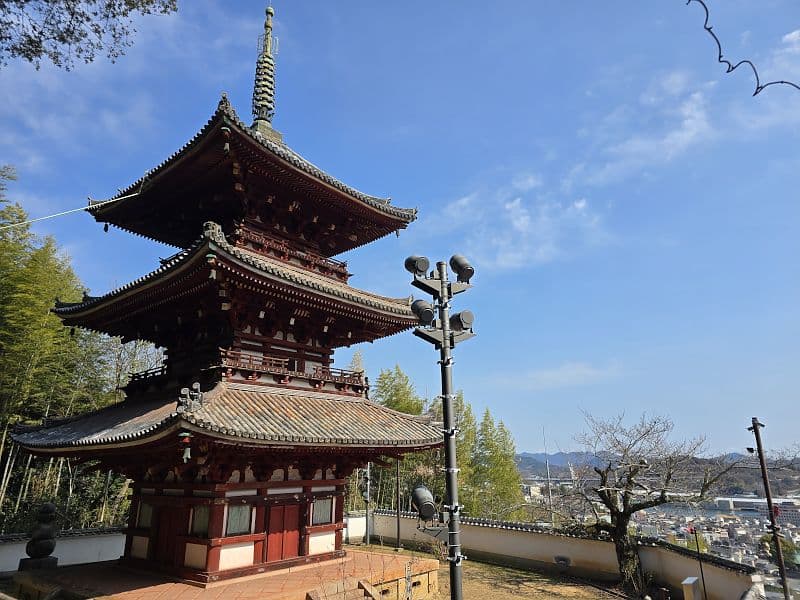
Prayers for strong legs and local faith at Saikokuji
Saikokuji is both a tourist site and a place of faith rooted in local life. It is widely known in Onomichi as the place to pray for strong legs, and many cyclists, hikers, athletes and climbers come here. Touching the giant sandal is said to bring its blessing, a practical faith that continues today.
Many travelers build a prayer for strong legs at Saikokuji into the start of their trip before crossing the bridges on a Shimanami ride. It has become a power-spot visit unique to Onomichi.
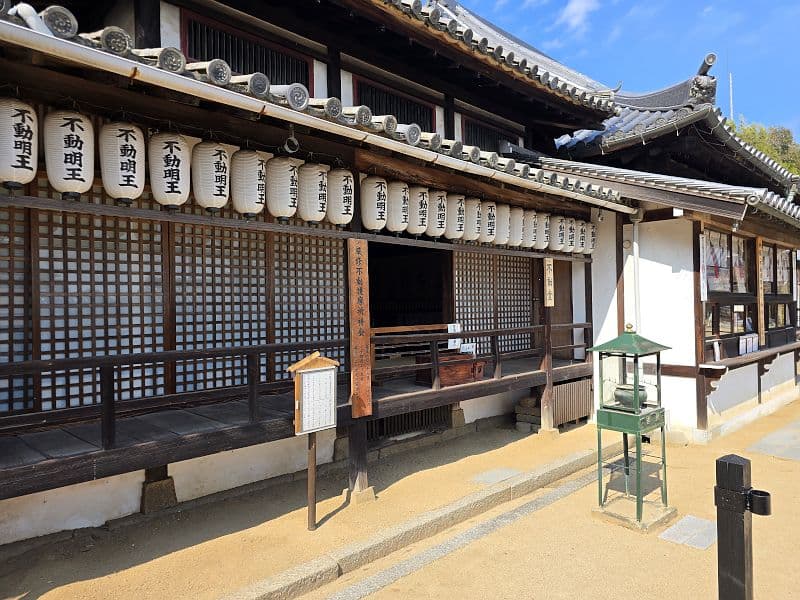
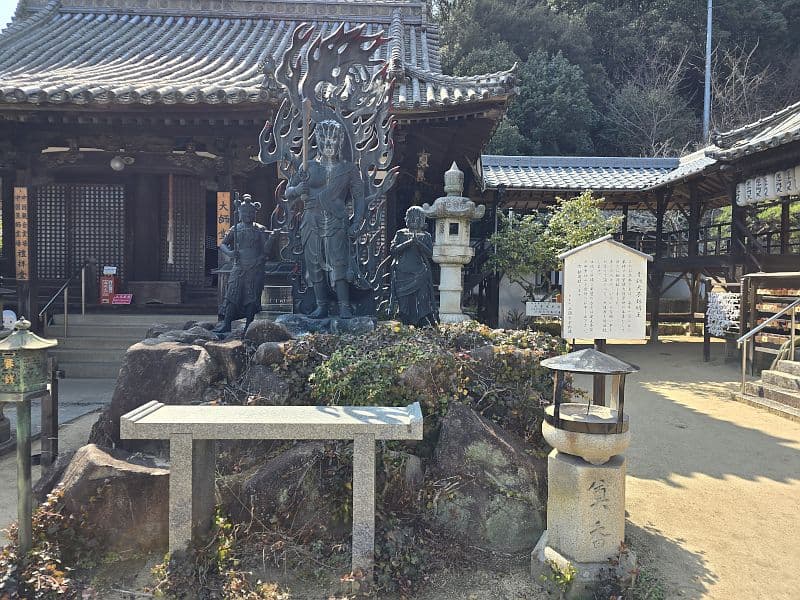
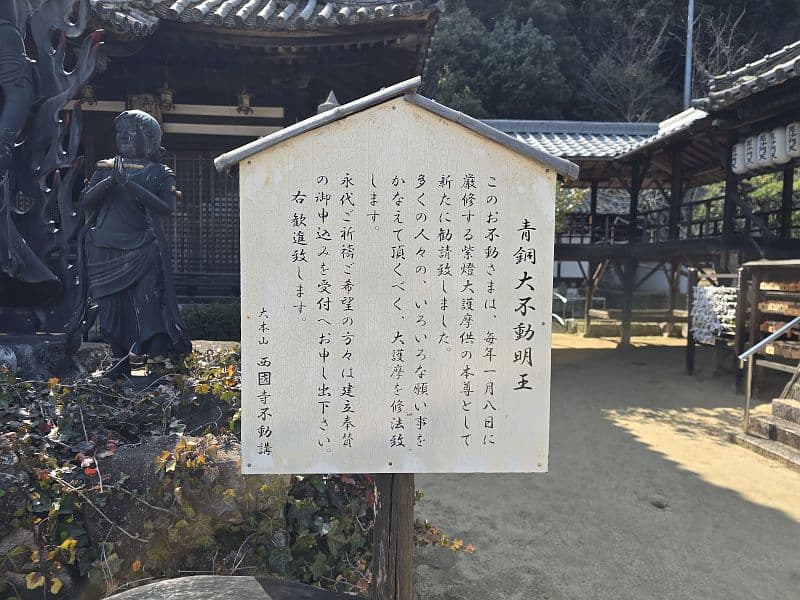
Saikokuji highlights: the great bronze Fudo Myoo
Combine Saikokuji with the Temple Walk
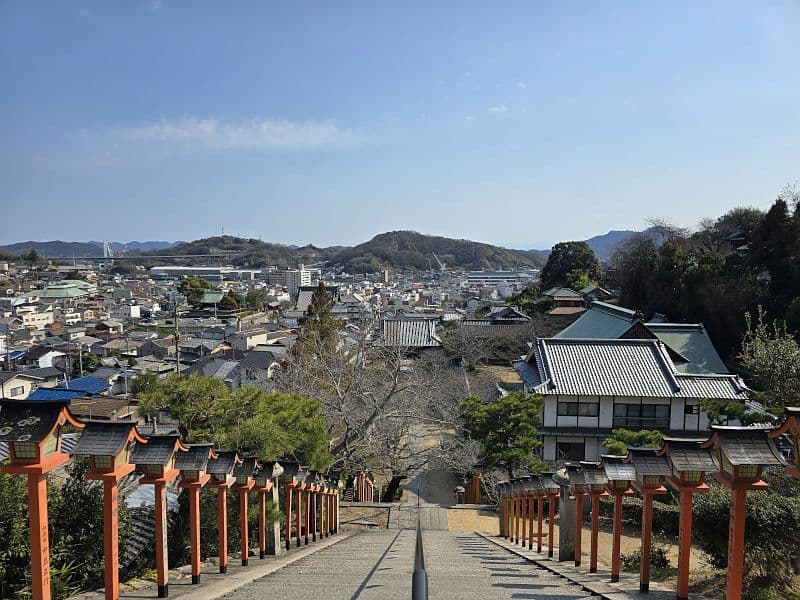
Saikokuji is a large temple toward the western end of the Temple Walk, Onomichi's best-known walking route. The course of about 3 km has more than 25 temples and shrines, and Saikokuji stands out for its size and number of cultural properties.
Suggested route
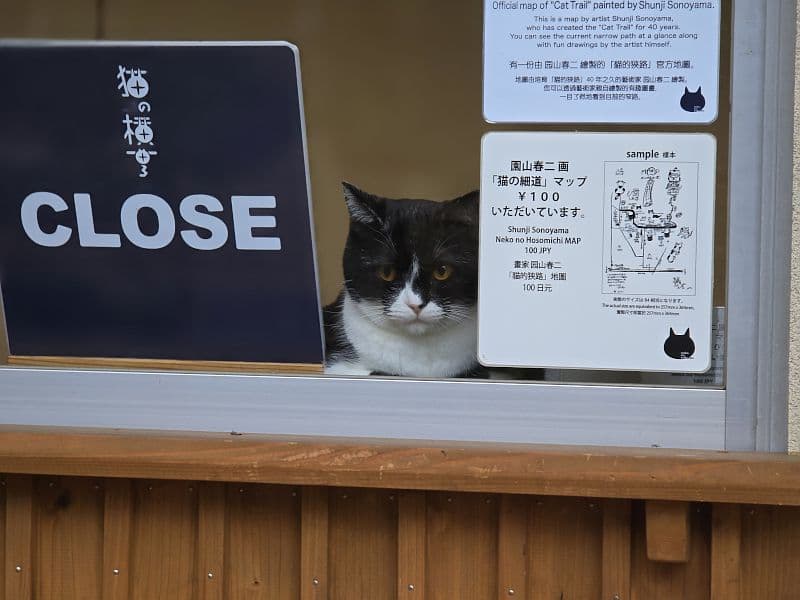
Starting from Onomichi Station, an efficient route is to visit the Senkoji area in the east first (Senkoji and the Path of Literature), then head west through Cat Alley, Ushitora Shrine and Tenneiji, finishing at Saikokuji. If you ride the Mt. Senkoji Ropeway up and walk west taking in Onomichi's terrain, the Nio Gate feels even more impressive when you arrive.
Location relative to other spots
Walking the whole course takes 2–3 hours, but Saikokuji is about 20 minutes on foot from Onomichi Station and about 5 minutes from the Saikokuji-shita bus stop, so you can also visit it on its own to suit your energy. Being at the western end, it is easy to head back toward Onomichi Station afterward, which makes it simple to plan around train or ferry times.
Connecting with the Shimanami Kaido
Onomichi is also the starting point of the Shimanami Kaido cycling road. Many travelers do the Temple Walk in the morning and set off cycling in the afternoon, and a prayer for strong legs at Saikokuji works as a ritual to start the trip. It is a spot that sets up a very Onomichi kind of start: feel the air of the old temples, then begin crossing the bridges. See the Shimanami Kaido cycling guide.
Tips for visiting Saikokuji
You can see the giant sandal on the Nio Gate before climbing the steps, but do go up into the grounds. The Golden Hall, pagoda, Bishamon Hall and bronze Fudo Myoo are spread around the grounds, and a proper look takes 30–40 minutes. The steps are slippery, so take special care in and after rain.


Basic information
Photo gallery
Tap a photo to enlarge it (swipe or use ← → keys).
RELATED